Review: Star Wars: Zero Company - The Force Behind the Brain
With unforgettable characters and deep, satisfying tactical systems, this is a must-play experience for every fan dealing with performance issues and camera frustrations.
When we look at the current landscape of Star Wars games, it's easy to get lost in a sea of third-person action games or multiplayer titles in what feels like a brand trying to play it very safe and not take risks. So when Star Wars: Zero Company was announced from Bit Reactor, a studio comprised of XCOM series veterans, I immediately saw the vision behind this game, which was announced as a tactical title in the Star Wars universe. As someone who loved the fast-paced action of the Jedi games and the chaotic battles of Battlefront II, I was ready for something new. Not only did it manage to pull me in like very few games have recently, it also proved that you can take a relatively niche genre and make it accessible to a broad audience looking for action, without losing the strategic depth.
The War Untold
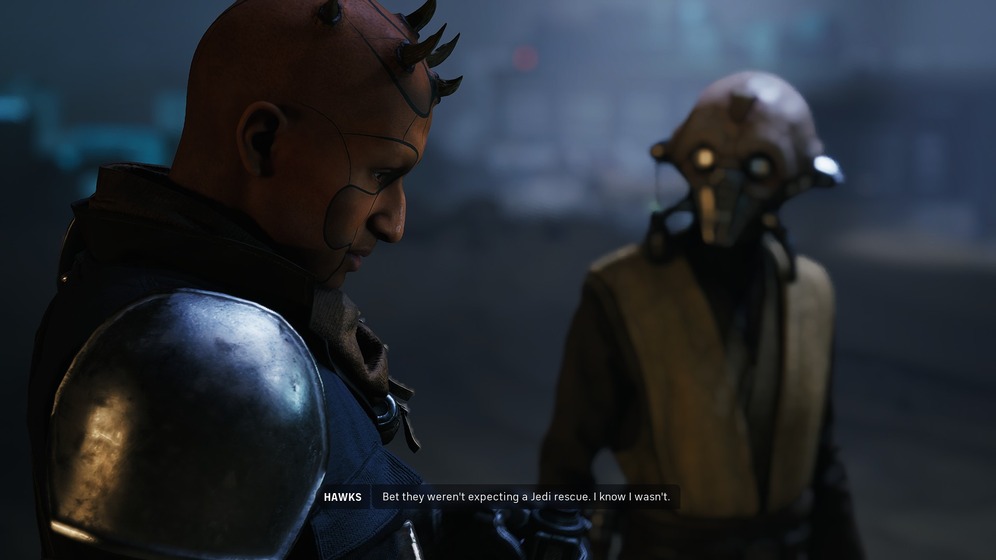
The first and most significant thing that must be said about the game is how much it breathes and respects the content world of Star Wars. The story here doesn't feel like just another generic story dressed up with a franchise skin, but one that leans heavily on the lore, characters, and references that every fan will appreciate. The game takes place during the final stages of The Clone Wars, and we step into the shoes of Hawks, a former Republic officer and leader of the mercenary company Zero Company, which starts with the mundane goal of settling debts and surviving in the galaxy, but is exposed to a secret and dangerous cult called the Coil that seeks to recruit as many loyalists as possible for not-so-good purposes.
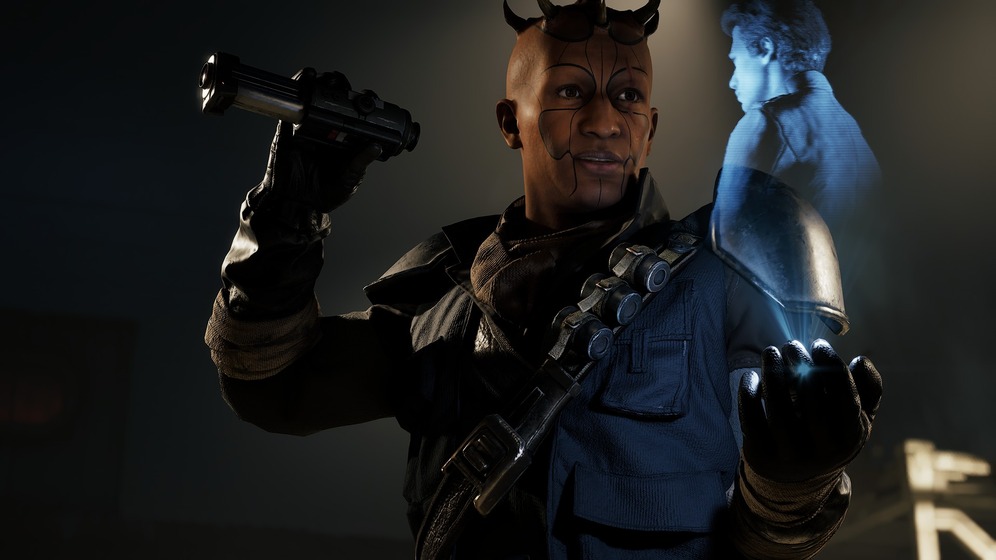
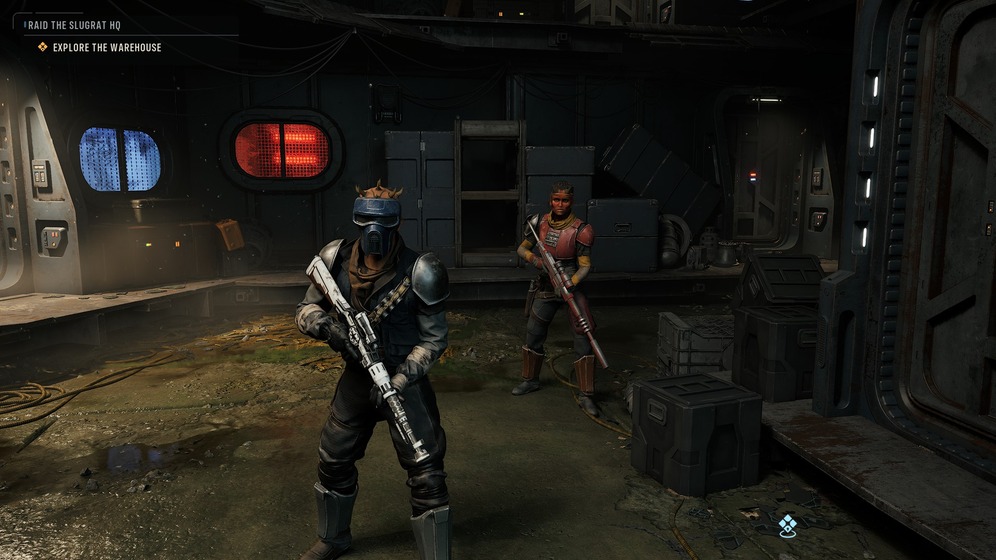
From there, the story takes us to the edges of the Star Wars galaxy with the aim of learning more about the cult and stopping it by any means possible. Through our home base, we can go out on missions with a team of four characters, each with their own ability kit, weapons, and equipment, each time receiving a different objective - eliminate all enemies on the battlefield, extract civilians who need help, complete some mission during battle like planting a bomb or stealing information, etc.
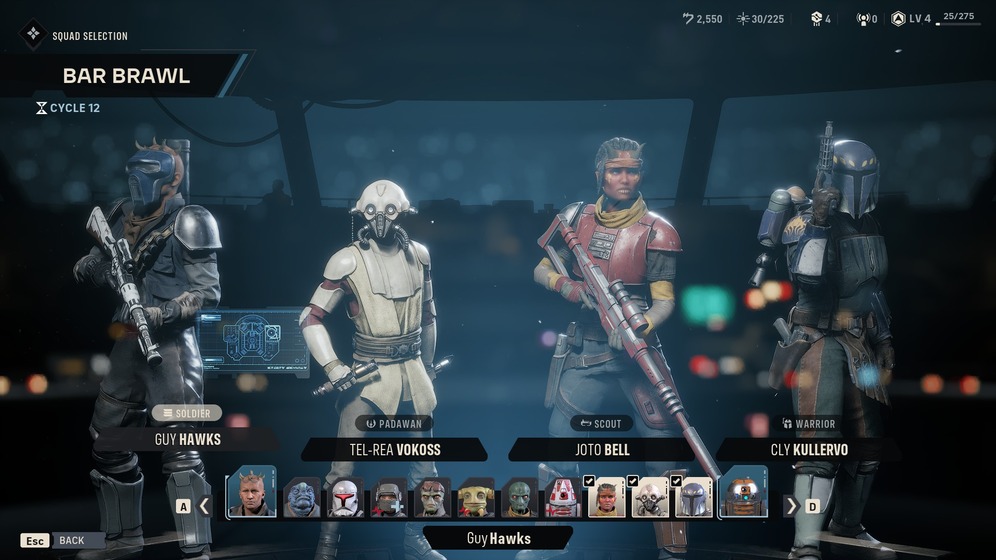
At the start of each mission, your team will enter the map and you'll be marked exactly what you need to do. Sometimes the game will give you all the time in the world, and sometimes you'll need to complete the mission within X turns, otherwise you'll fail and the mission will fail, and you'll need to start over. When your team's turn comes, each character can use Action Points (or AP for short) to move on the map, perform a basic attack on a specific enemy with your weapon, or use one of the various different abilities available to you, which will vary according to that character's role (soldier, medic, gunslinger, etc.). Each action costs you a certain amount of AP, so if you want to go farther, you'll need to sacrifice more points, while heavy weapons will use more points to perform a basic attack compared to a pistol where each attack costs only one point.
Additionally, the game introduces a mechanic called Overwatch, where you essentially guard a certain area that your character will cover, so any enemy movement in that space will trigger an attack with a chance to completely cancel their turn. This is an excellent mechanic that can give you a tremendous advantage if you want to make sure a specific enemy doesn't move from their cover, or to cover your team members who might be in trouble.
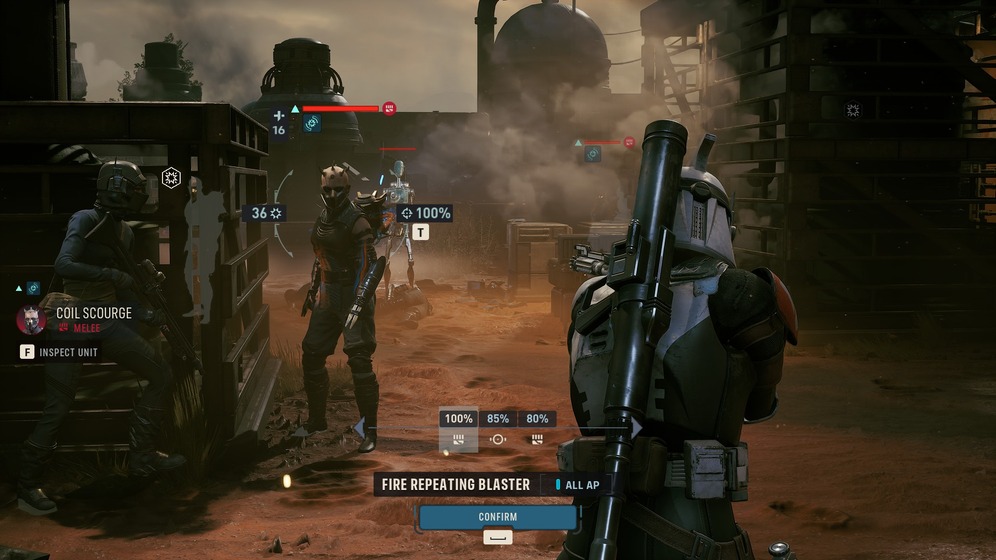
When it comes to abilities, you won't need to use AP but rather what's called Advantage. This is a numerical meter that caps at 10 and is shared among team members, which you fill by hitting enemies or eliminating them. This gives your character the ability to perform a wide variety of different actions in one turn, like moving to cover, shooting an enemy and eliminating them, and thanks to the advantage points we earned with the kill, using the character's special ability to, for example, pull out a missile launcher that can hit many enemies in a wide range if they're in a soldier role. The sniper role, for example, allows the character to "mark" a specific area, where for every enemy they mark in the area they receive one advantage point, which they can then use to perform a single, particularly powerful attack with high hit percentages to hit an enemy.
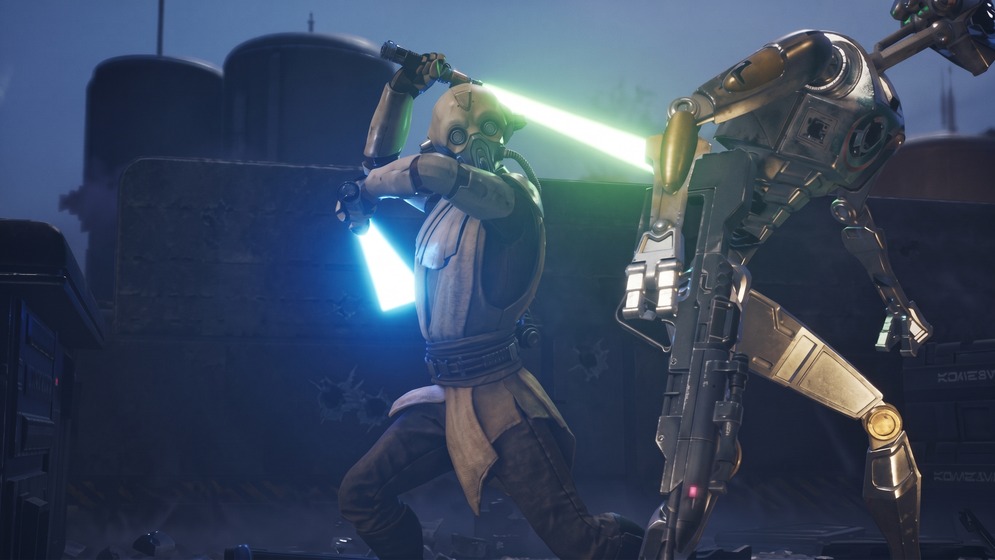
The variety in missions does wonders in making each battle feel different, because in missions where you need to, for example, plant a bomb, you don't really need to eliminate all the enemies present in the mission, but only perform the action assigned to you and move to the extraction area. Once all characters stand in the area, the mission will end successfully. This requires the player to make a mental switch, focus on what's important, and build a strategy that will help them complete the mission in the best way, instead of wasting turns doing something that won't advance them. What's called in common parlance - PTFO.
Additional missions you can perform are called Operations, which are carried out less like active missions and more like an interactive story where you'll need to make some decision to complete it. This could be, for example, a situation where a Republic deserter begs you to help him escape from the army chasing him, and you'll face the dilemma of whether to help him in exchange for money, refuse to help him and send him on his way, extort him for a higher amount of money, or turn him over to the authorities. Decisions of this type will indeed give you some reward like money, weapon mods or equipment, but will also affect relationships with your team members, because each of them has an opinion about what you decided to do. From there essentially comes the beating heart of Zero Company - the team surrounding you at every moment.
Team of Interest
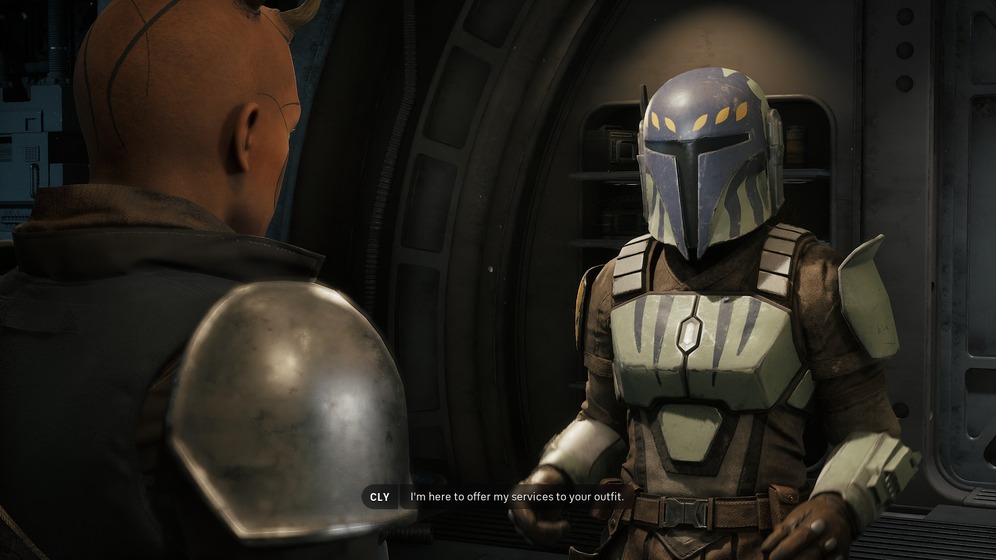
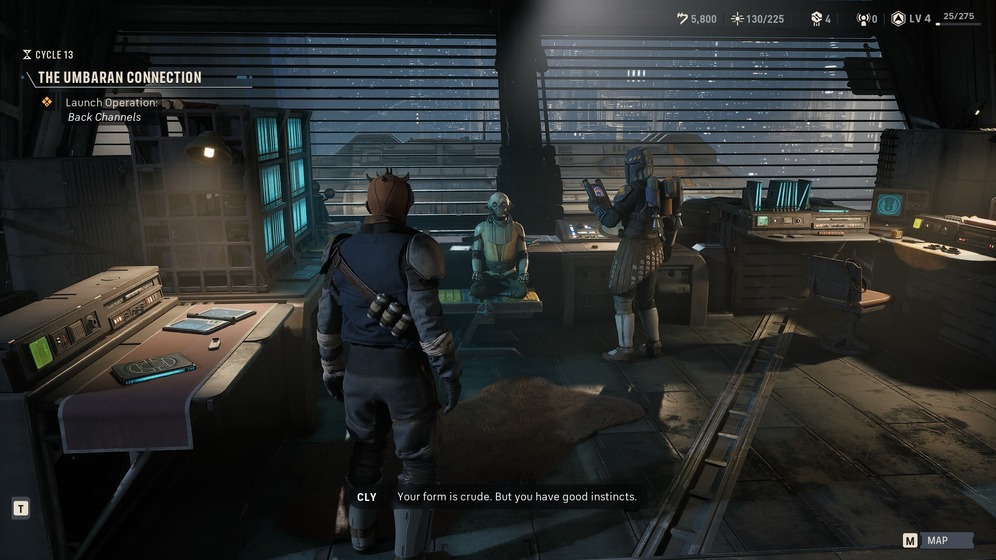
The main characters the game presents to us are simply fantastic, and feel real and believable in the universe we're in. Starting with Trick, the clone trooper who brings with him a military past and emotional baggage, through Cly, the Mandalorian bounty hunter with the coolest ability kit in the game in my opinion, Tel-Rea who is a skilled Jedi apprentice, or Kabb Uppercut, a chubby boxer with a sniper rifle you won't be able to forget. These characters bring with them enormous depth, fascinating side missions and excellent dialogue, with whom you can strengthen the bond through a clever Bonding system that you can track at any moment.
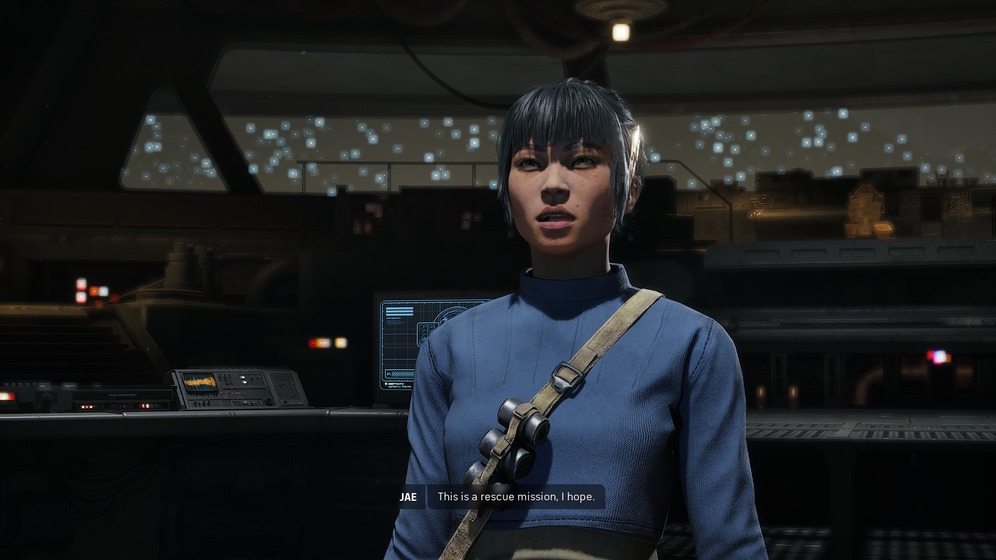
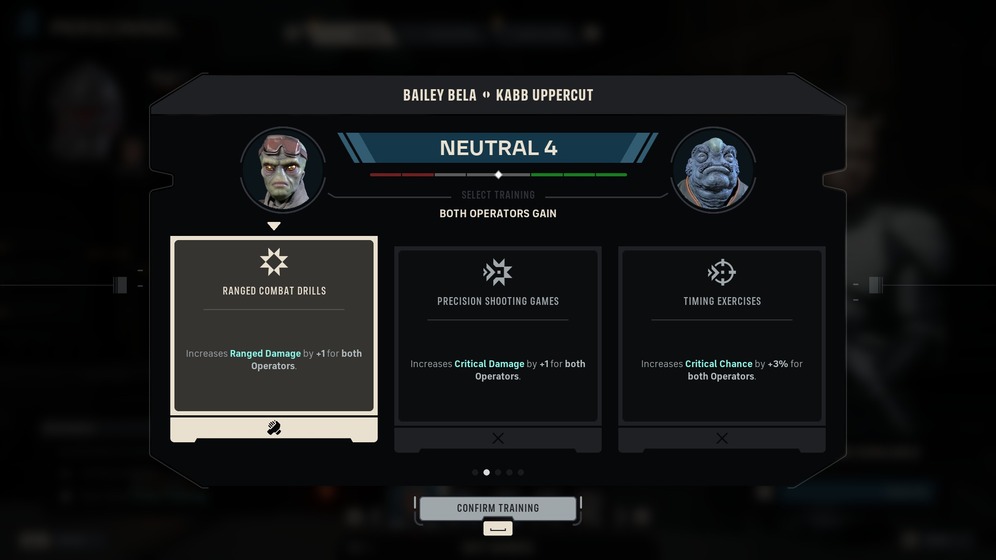
Deep conversations with team members, making decisions they'll respond positively to, collaboration on the battlefield and more, all these will strengthen the bond between Hawks and the team members and also among themselves, which will provide significant bonuses like more Focus Points with which you can improve their abilities, wider movement range on the map, significant addition to the damage they cause with weapons, their hit percentages and more. This combination of emotional investment that translates to increased effectiveness on the battlefield makes this system one of the best, most interesting and rewarding in the game.
The problem starts when looking at the Recruitment system. Alongside the main characters I mentioned earlier, the game also allows you to recruit characters with a little less depth. These are characters that will usually be random, and will be completely editable. While this gives me the ability to build a team that's built exactly the way I want, it also brings with it a problem that's a bit hard for me to ignore, which is that these characters are simply completely flat, without any particular personality, feeling like a way to fill the void. Yes, the Bonding system applies to them too, and you'll still get bonuses and upgrades if you invest in a relationship with them - but I'll always prefer to go on a mission with a character I feel I have a better connection with not just in numbers on a graph but because I know more about them and connect with them, rather than take a character that has nothing more than one sentence to tell me when I try to talk to them.
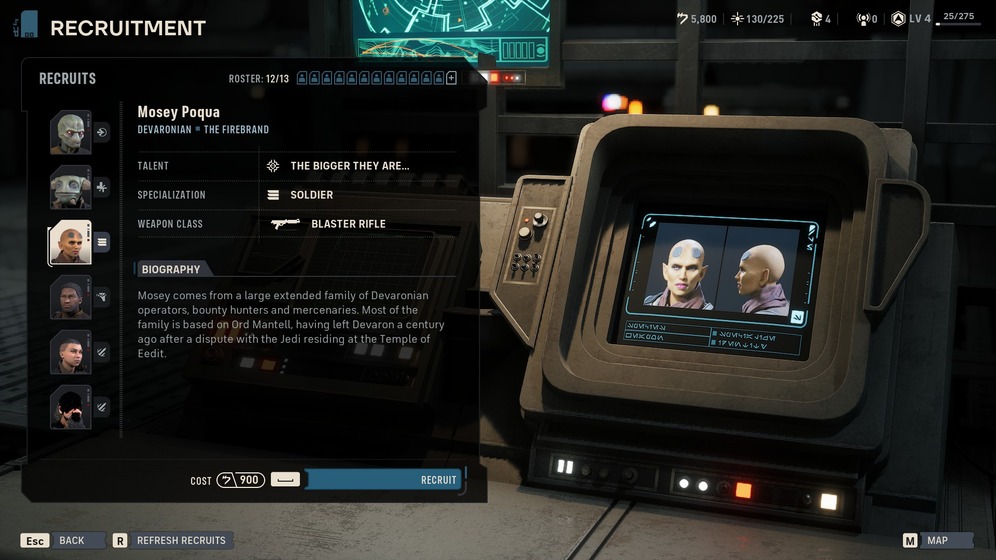
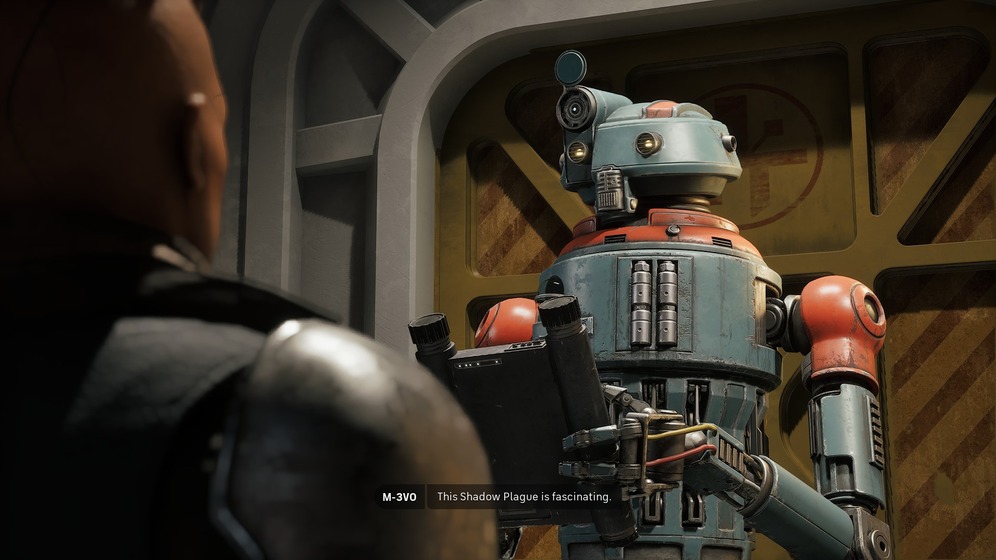
The quality gap between the main character team and the random mercenaries is quite jarring, and although I understand why they're here - I would have simply preferred to get more pre-built characters with a bit more depth. What is true is that this system will eventually allow you to recruit your own Astromech droid that you can take into battle, which opens up a completely different gameplay style from what you'll experience up to that point, and it's an excellent way to refresh the experience a bit.
Time is Money
One of the game's central mechanics is the Cycles system. Every time you want to do any action in the game that's outside the battlefield, you'll need two things - time and money. Activating any mission will advance the game's timeline by one time cycle, when all missions, main and side, will have a limit of how many cycles they'll be available before they disappear. This works a bit like how The Blood of Dawnwalker works with its time mechanic, but in a more forgiving way and on a smaller scale. At any given moment you'll have the option to choose between at least four different missions, most side missions and one main, and you can choose what interests you most to do. You can see what reward you'll get for each mission, what you'll need to do in it, and ultimately decide whether to go with it or one that seems more interesting or rewarding to you.
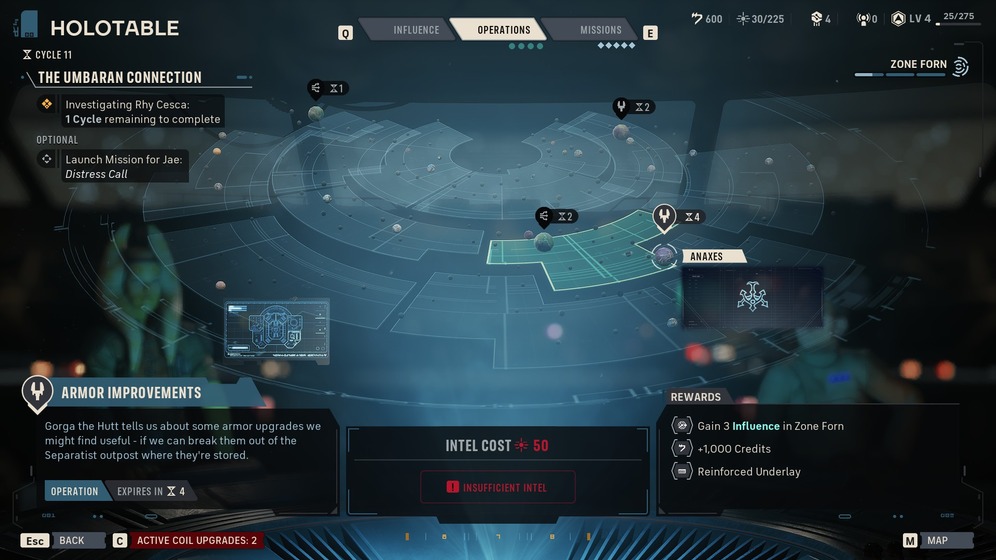
This is a system that applies to everything in the game - whether it's upgrades to your home base that allow among other things adding more beds to the infirmary that return team members to fitness if they're injured, weapon performance upgrades, expansion of the number of mercenaries you can recruit and more. Something that quite amused me but I also quite liked here is that the game never lets you feel like you have more money than you need - you always feel strapped for cash, which forces you to prioritize what you want to do in each time cycle. Will you prefer to buy an upgrade that builds a lounge where team members can stay between missions and improve their relationships, or upgrade the shop that brings you equipment from the black market through which you can buy weapon mods and equipment? Both things will take both a respectable sum of money from the coffers and at least one time cycle, which means you'll only be able to see the upgrade actually take place when you complete your next mission.
Another very cool element I want to talk about is the Coil Upgrades. This is a system that actively works against you, but its purpose in the end is to make the whole experience a bit more interesting, varied, and different from what other players might experience. Once every few times when you arrive at your home base, you'll get a notification (that can't be missed) that the Coil, the game's main villains, are getting stronger as time passes and receiving upgrades. The game will present you with a choice - the cult is currently actively working on strengthening in two different places, but you only have the resources to stop them on one front. Here you'll need to choose which upgrade you're willing to allow the cult to receive, while you go out on a mission to prevent them from receiving the upgrade you don't want them to get.
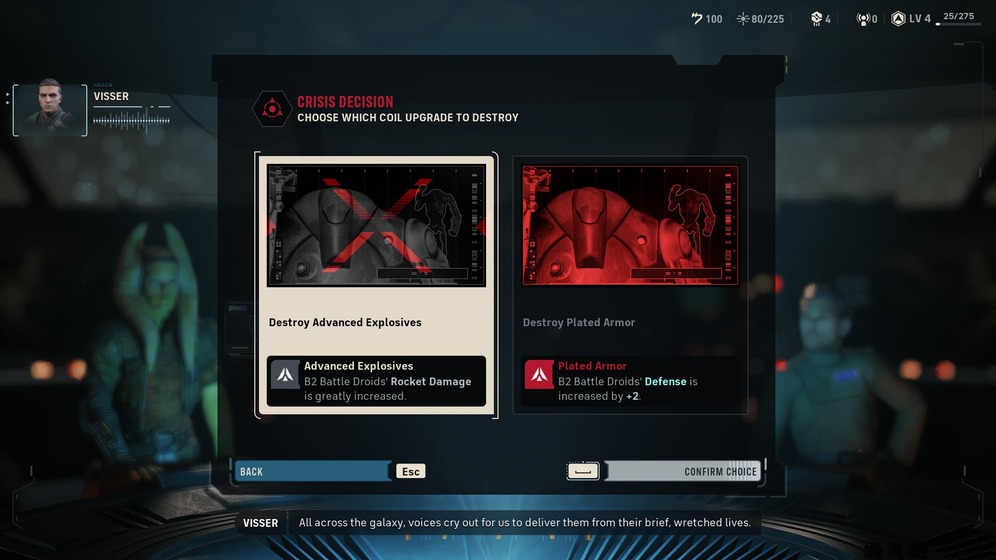
This can be things like grenades that will explode immediately when they land (instead of giving you one turn to escape), soldiers who will strengthen just from hitting you, upgrades they can activate during battle like self-healing, etc. These upgrades can also go not only to Coil soldiers but also to the droid army we'll face, which makes the combined encounters much, much more interesting.
Execute Order UE5
One of the game's hard problems starts with its performance. Unreal Engine 5 claims another victim here in the form of Zero Company, with very problematic performance even on low settings and DLSS enabled. Although I'm using an RTX 3060 which is already considered an outdated card, it's funny that in almost every other game that doesn't use this engine - I have no problems. It was at such an unplayable level that I had to download a mod from Nexus Mods so I could enjoy the game properly, and only then did I manage to get stable frames on High settings with DLSS enabled on Quality.
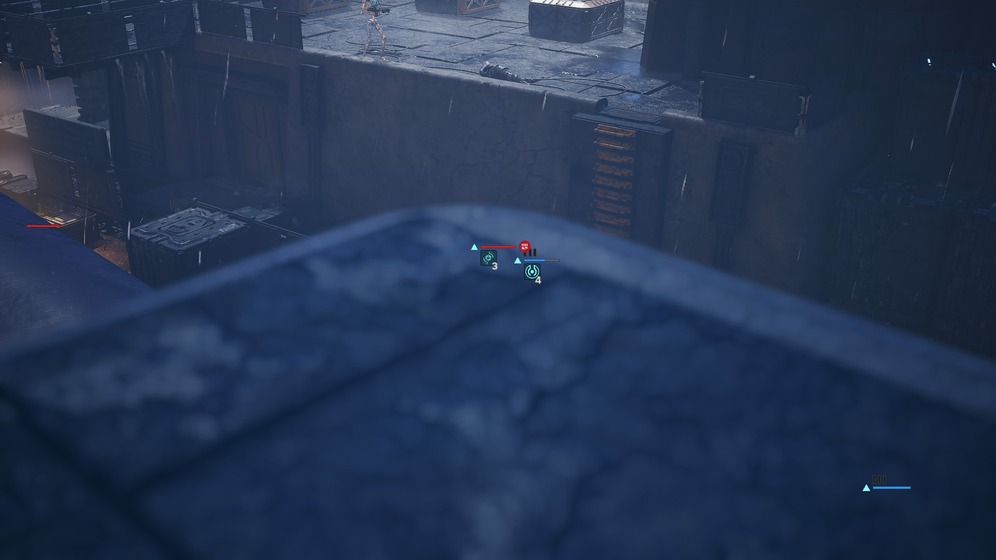
Finally - a word about the camera. In the image below you'll see what you'll probably see 70% of the time during battle - just a wall. The game will try to give you cinematic angles in certain situations, usually when a character activates their special attack, but also sometimes just in sections it thinks will look cool, and usually it's right! The zoom on the character, combined with the specific angle the game will give it, will help make the battle and the action they're doing a bit more cinematic when you've already felt tired of the top-down camera, only too bad that it sometimes forgets there's a wall in front of the character that needs to be taken into account, which results in, well, this:
The Bottom Line
Star Wars: Zero Company is one of the big surprises of 2026 for me. With a deep tactical combat system full of options that will make you feel like geniuses with the moves it allows you to make, combined with a simply excellent main character cast full of depth - this is a satisfying tactical experience. If you love the genre, this is my warm recommendation, if you're less connected but do love the Star Wars content world very much like me, I completely recommend you give it a chance. Who knows - maybe you'll find a new genre to get into, I know I've already started creeping toward XCOM 2 after I finish with it.