Review: Resident Evil Requiem – A Bloody Welcome Home
Between the fact that I’m beginning to age alongside this site and the fact that the Resident Evil series is aging right there with me, this marks my second review for a main entry and my third for the franchise overall. I couldn’t be happier to continue rambling about one of my favorite series, and thanks to Capcom, I hope to keep doing so for a long time. The new game arrives during a very interesting window at the start of the year, positioning it perfectly as the highlight of the season for many. Now, here is what I have to say about the latest nightmare.
Hand in Hand
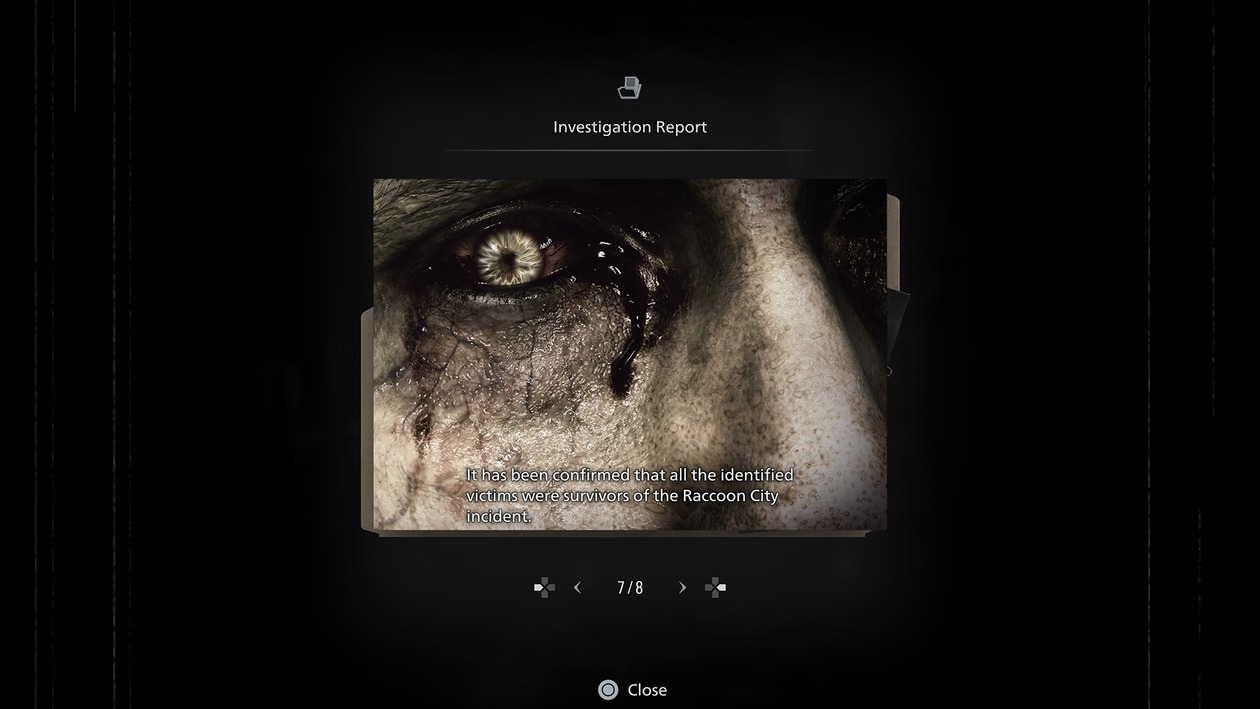
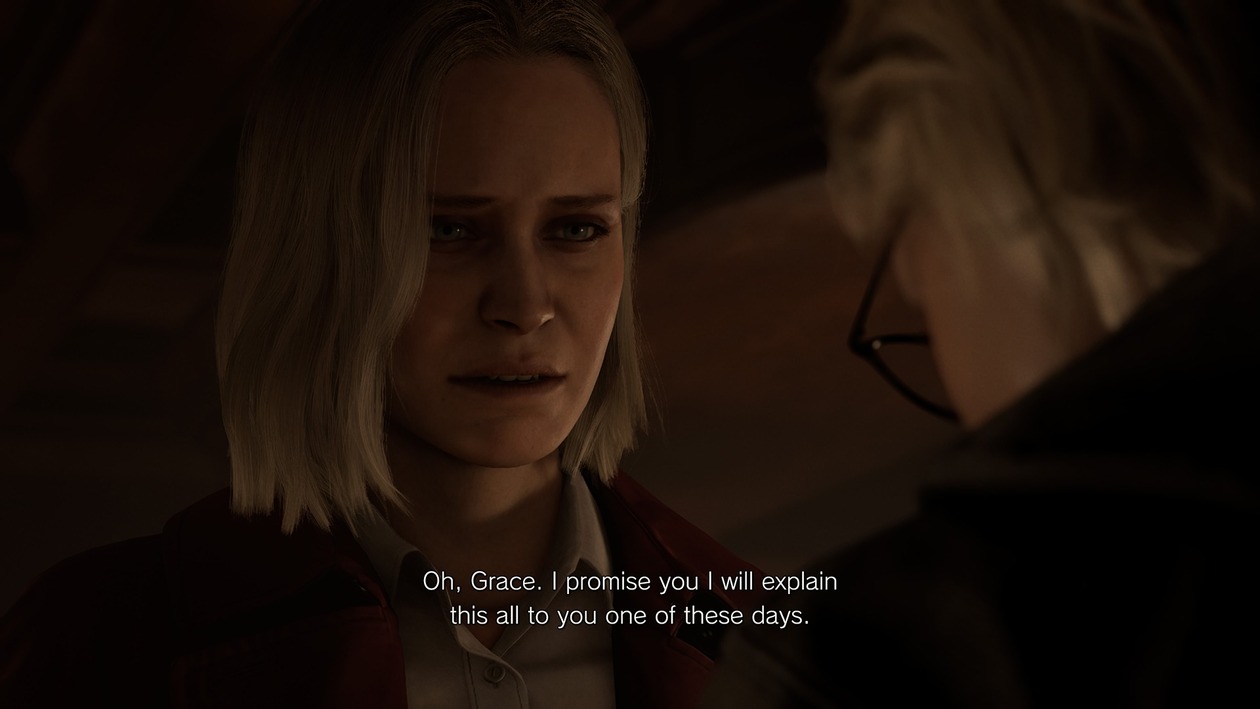
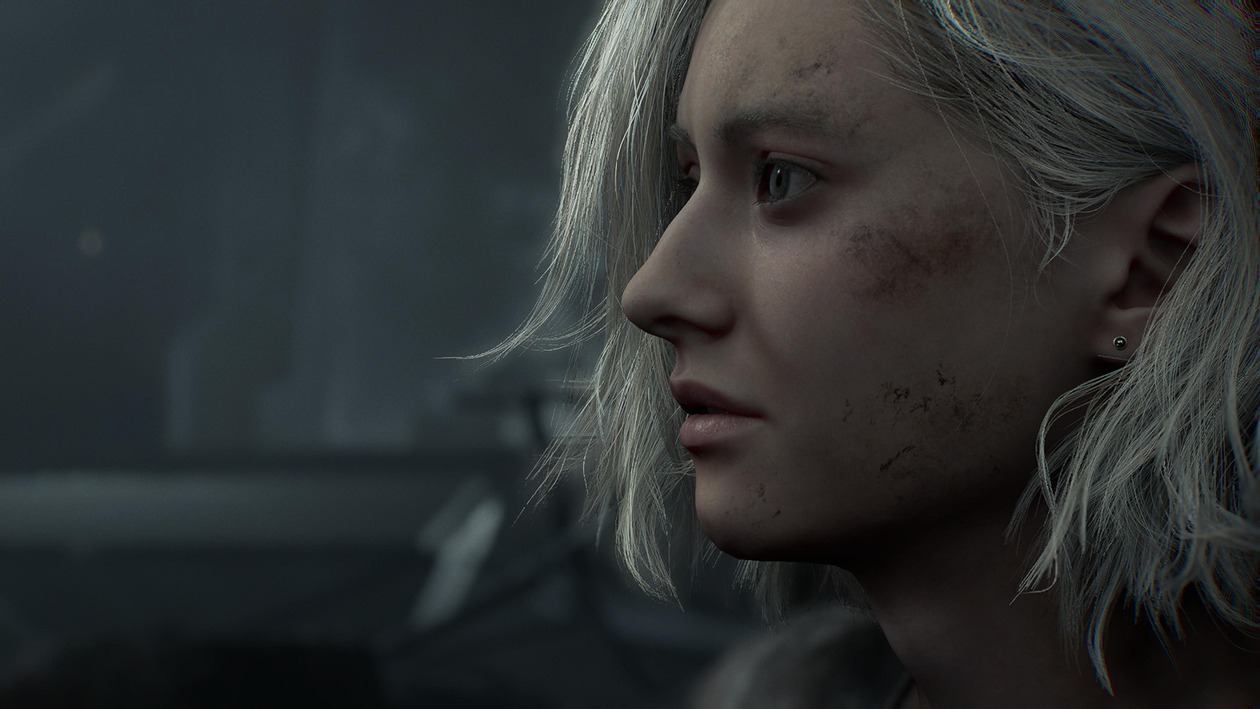
To understand this review, one must know that the chaos of this series began in a place called Raccoon City. Following the events of the first game, the second and third entries followed the T-Virus outbreak, developed by the Umbrella Corporation, which turned most citizens into zombies. The plot of Resident Evil 3 ended with a biological weapon strike on the city, which didn't just cause massive destruction—it wiped out the remaining undead. It’s funny looking back at the trailers now; the first teaser showed only the very beginning, and in reality, we’ve seen barely 10% of the game, which is incredible. Our story follows Grace Ashcroft, the daughter of Alyssa (whom many will remember from Resident Evil Outbreak). Grace is an FBI agent sent to investigate a string of strange deaths among Raccoon City survivors, specifically at the hotel where her mother was murdered before her eyes. Encouraged by her boss, she investigates only to be trapped by Victor Gideon, a former Umbrella scientist who kidnaps her to his medical facility.
Leon S. Kennedy, now nearly fifty, is also deployed as part of the DSO to investigate these mysterious deaths, only to find himself suffering from the very symptoms afflicting the survivors. For him, this investigation is a race to solve the mystery of the T-Virus side effects. One name emerges as a suspect—Victor Gideon. After Leon encounters him during Grace’s kidnapping, he witnesses a fresh T-Virus outbreak triggered by Victor. Now, he sets out to discover why Victor took Grace and to find a cure for the new complications tied to the virus.
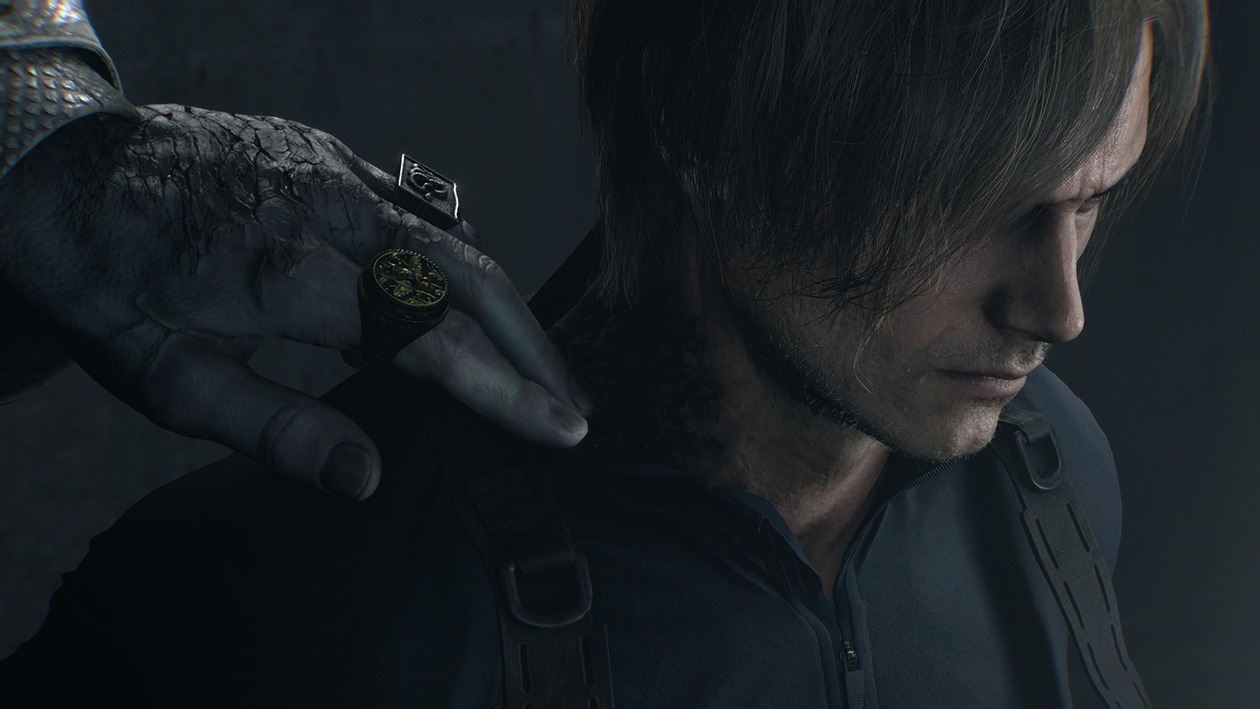
This game is undoubtedly the climax of the series, returning us "home" to a deserted Raccoon City after 30 years. While the plot is engaging, it makes narrative choices that might frustrate some players. Even after pre-release interviews where Koshi Nakanishi discussed the need for the series to move on from old characters and long-running arcs, it feels as though the franchise cannot exist without its classic cast. After three decades, I feel the producers should be able to take risks like those seen in the seventh game rather than just "playing it safe." In many ways, this game leans heavily on nostalgia—especially for fans of the original titles—which sometimes overshadows the progress made in the last two entries.
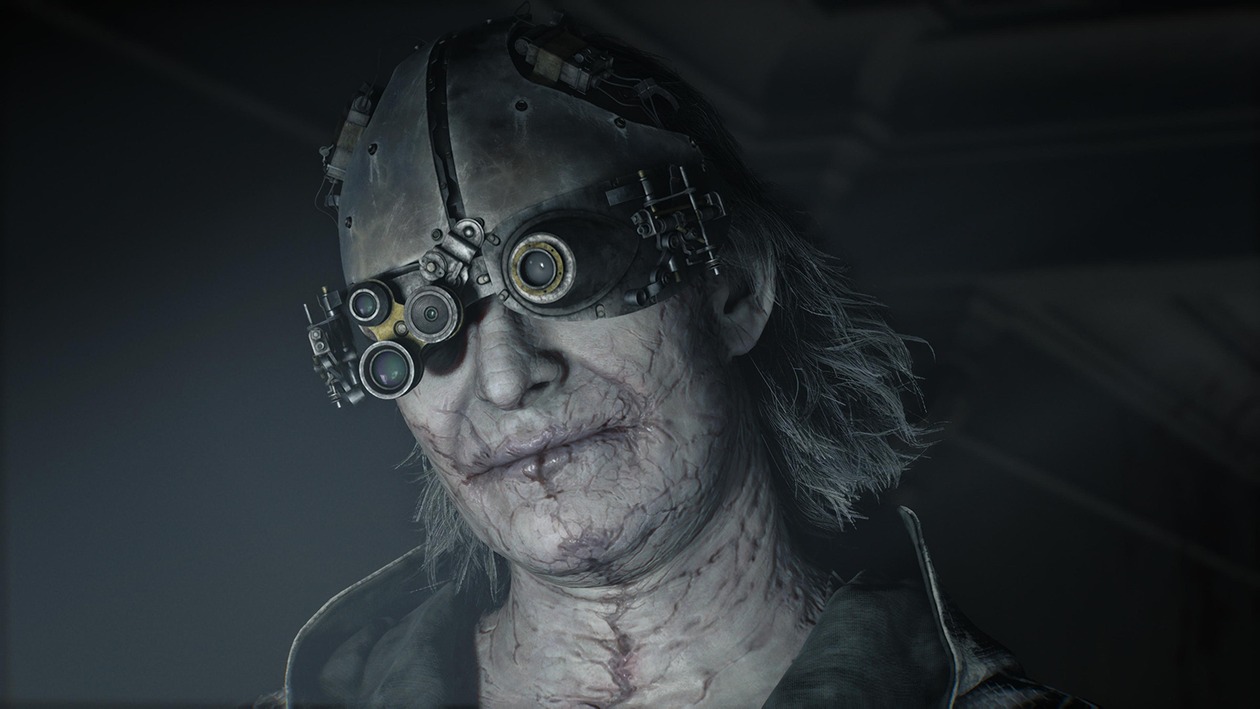
The voice acting and performances are, as usual, excellent. Nick Apostolides, who has been inseparable from Leon for seven years, returns to deliver a phenomenal performance for the third game in a row. Angela Sant'Albano, making her debut, does a fine job portraying Grace’s evolution from a hesitant survivor. However, the standout is Mercer Boffey as our primary villain, Victor Gideon. As heard in the trailers, he is creepy and menacing, perfectly fitting a character with a "Frankenstein" aesthetic.
The Best of Both Worlds
This is what makes the game a celebration for fans old and new: fans of Resident Evil 4 and 7, unite! As you know, we play as two starkly different characters. First is Grace, who is more fearful and less of a fighter, making her gameplay focused heavily on survival horror. Alongside her is Leon Kennedy, a seasoned soldier and a well-oiled action machine, whose gameplay is aggressive and "in your face." It’s a sharp contrast, but it’s handled in dense segments: the first half of the game is mostly Grace, while the second focuses on Leon, avoiding arbitrary character swapping and helping the game feel unified.
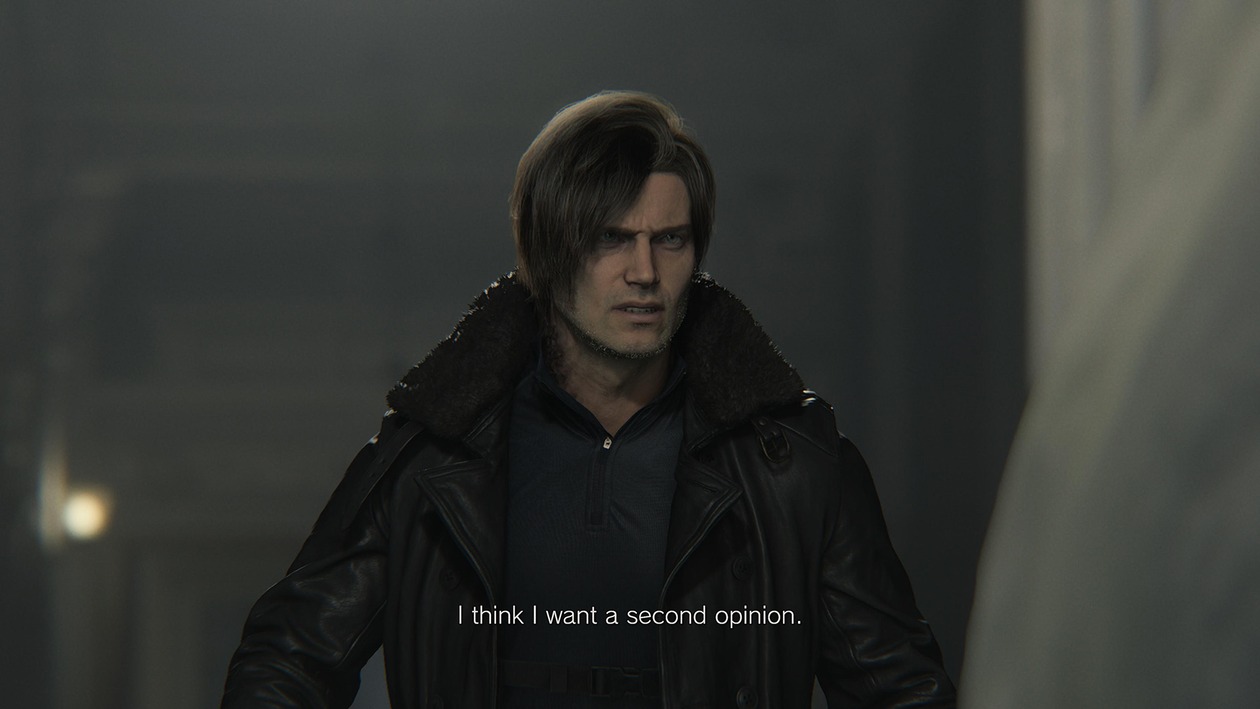
A major feature highlighted during promotion is the ability to switch between first-person and third-person modes seamlessly in real-time via the menu. Fans of Resident Evil 7 and Village will find this very comfortable; those who loved the horror of 7 will likely prefer playing Grace in first-person to keep the scares intense. The same applies to Leon for those who loved the RE4 Remake style—his action returns with some truly wild new animations that players will likely adore.
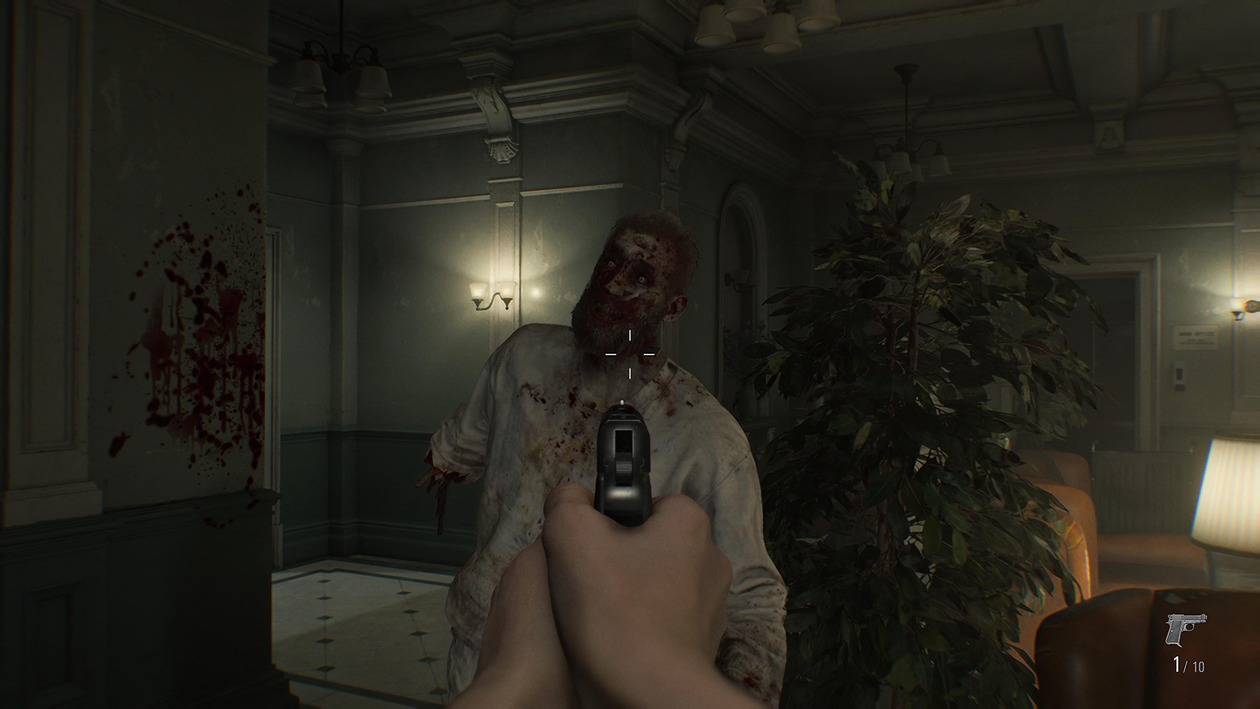
Grace’s gameplay will be most interesting to RE7 fans. It is realistic and survival-focused, with a smaller, limited inventory. One difficulty setting even requires you to collect ink ribbons for the typewriter to save. To craft items, Grace can collect blood from defeated zombies into a container. Throughout her journey, you find resources to combine with this blood for ammo, Molotovs, and healing items, alongside injections that provide permanent boosts to her health and weapon handling.
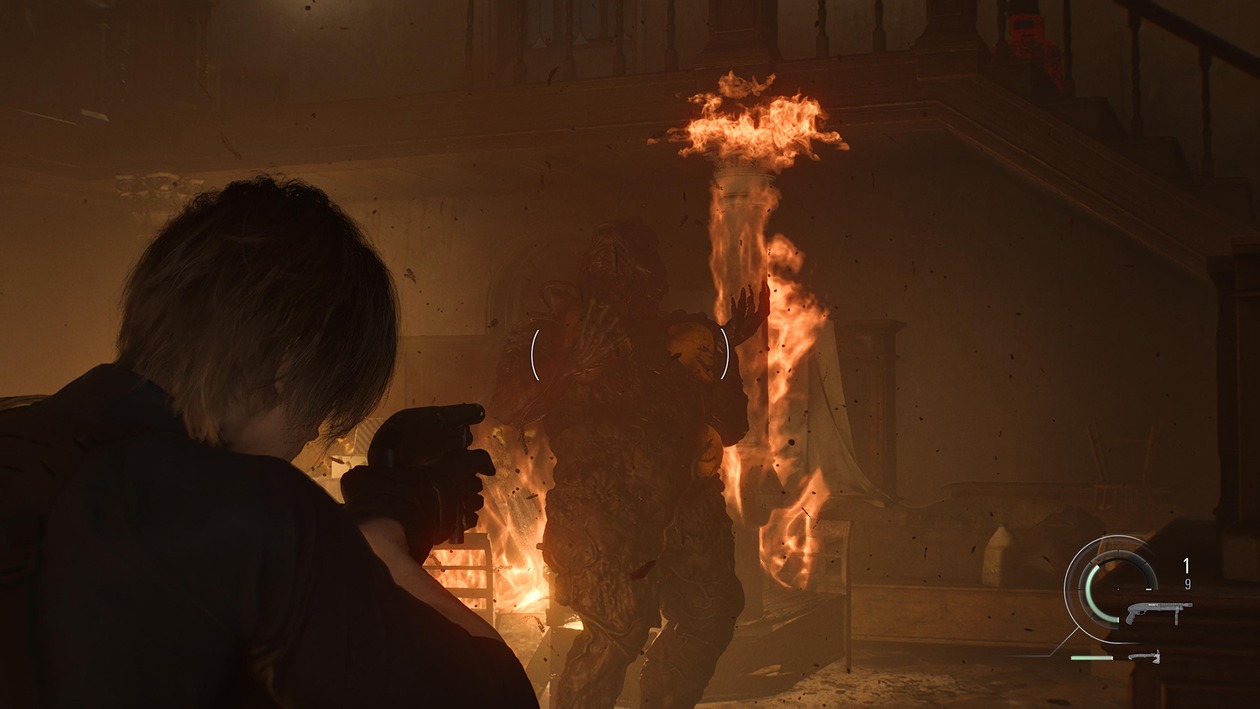
Leon’s gameplay is familiar to anyone who played the RE4 Remake, though with QoL improvements and new interactions. His segments feel more "arcade-like," with almost every zombie dropping resources or ammo. He has a massive arsenal ranging from handguns to snipers, all of which can be upgraded or purchased through a computer at his save points. This action-heavy focus includes spectacular new animations, including the ability to use weapons dropped by zombies, though I did find some interactions with zombies frustrating when trying to aim with a controller versus a mouse.
The game returns to classic zombies rather than the various viruses of recent titles. Along with them comes an enemy type not seen since the first game: Crimson Heads (renamed "Blister Heads" here). For those unfamiliar, these are zombies that have been killed once, only to return faster and stronger with enlarged heads. While they are child's play for Leon, they are a massive threat for Grace, turning her resource management into a genuine challenge and encouraging a "quiet tour" approach to avoid direct conflict. It’s a challenging survival experience I highly appreciate, even if it can be frustrating during trophy runs where you avoid certain resources.
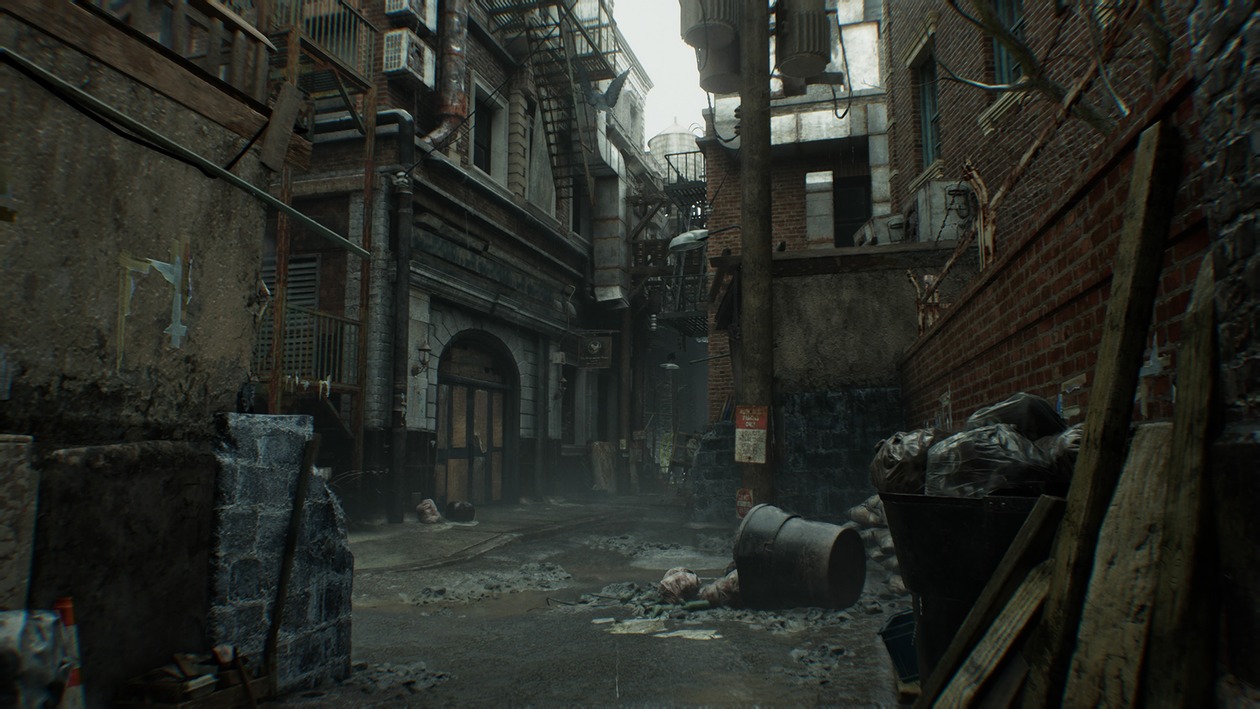
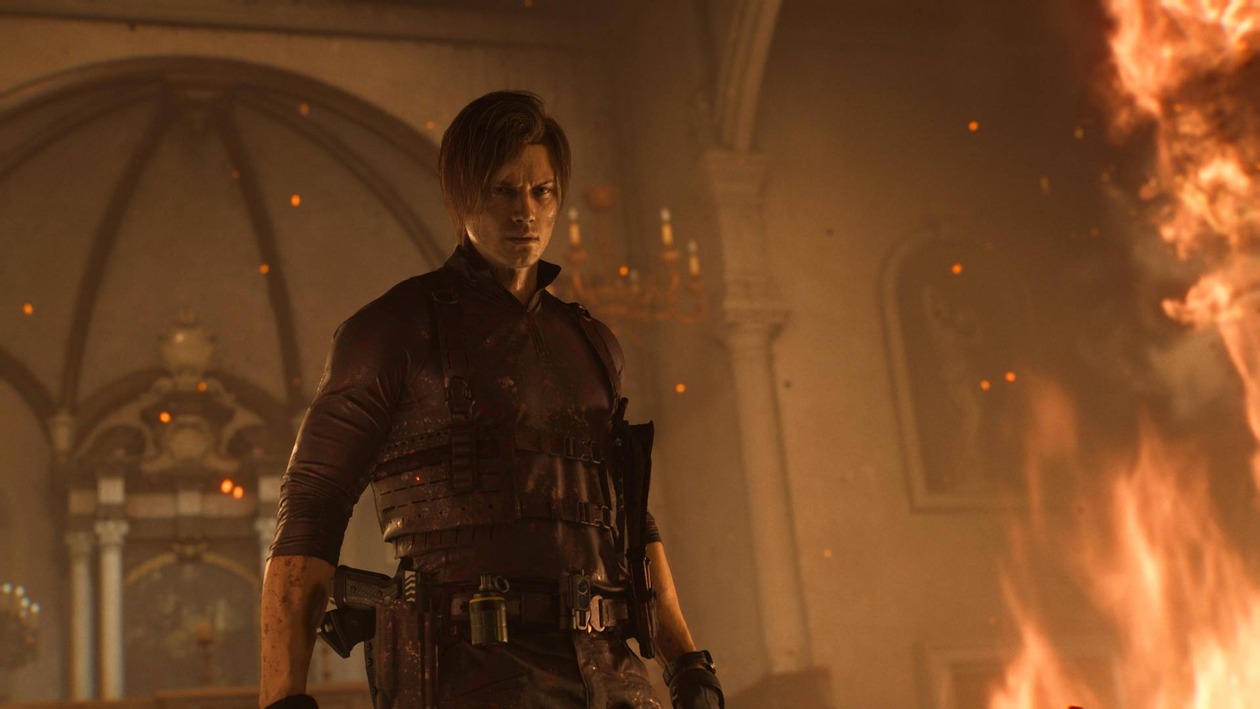
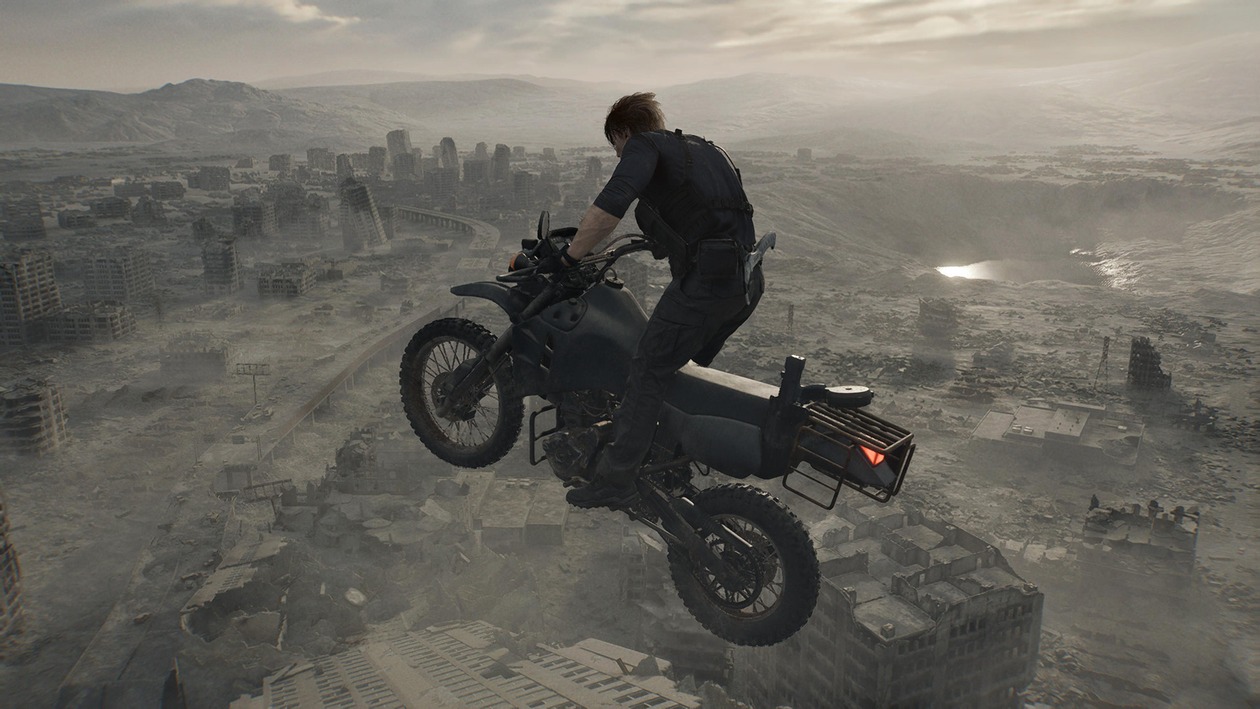
Regarding the "open world" rumors: while there is some truth to them, it isn't a full open world. Grace’s portion is a massive mansion full of puzzles. Leon’s return to Raccoon City offers a relatively large map, but it’s contained—you are dropped into a condensed version of the city as you navigate toward the historic police station. However, the map is significantly larger than anything in Resident Evil 4, and exploration is well-rewarded.
To The Future
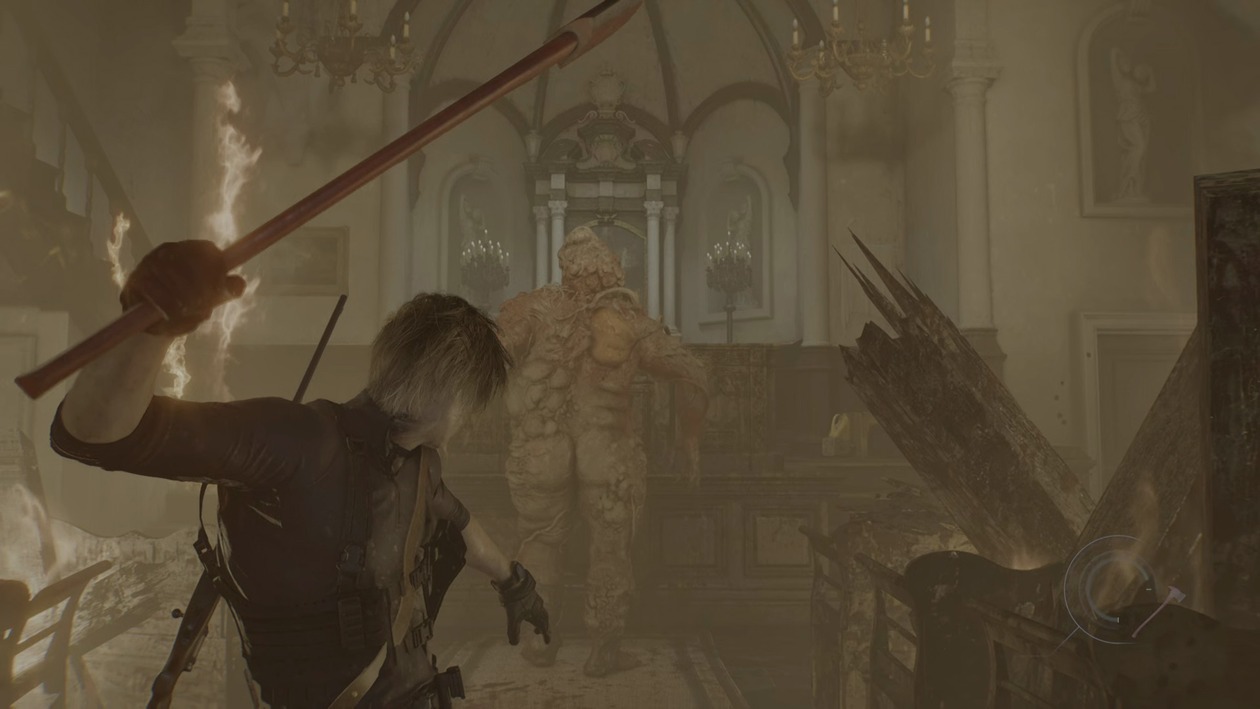
The game excels in enemy variety, or at least in the visual design of threats across different locations. While most threats are Zombies and Blister Heads, their behavior is distinct. Grace must learn their patterns to sneak past them, while Leon faces zombies that can actually use tools—axes, chainsaws, and even automatic weapons.
Regarding the use of DualSense features, the game does a great job with Haptic Feedback, responding to environmental factors like rain or walking through water. The controller speaker is also utilized for Leon’s radio calls. However, it feels like some other features have been sidelined. I am curious to see how this translates to the Switch 2 controller later.
Finally, the music. Unlike the atmospheric work of Akira Yamaoka in Silent Hill, the score here feels very secondary. It isn't always present, and at times it disappears entirely. I’ve explored Raccoon City in near-total silence, only for the music to suddenly kick in when I reached a story trigger. Aside from the iconic "Save Room" themes, the music is surprisingly forgettable compared to what we heard in the trailers, which is disappointing.
The Bottom Line
Resident Evil Requiem is a truly great game. It takes the gameplay elements fans loved most from Resident Evil 4 and 7 and bundles them into one package. While some narrative decisions and the heavy reliance on nostalgia suggest the series still struggles to move forward, it is nonetheless a thrilling return to form. I don’t know what the future holds for this 30-year-old franchise, but this game proves Capcom is back to life and willing to take risks. I hope the directors eventually find a fitting end for these iconic characters so we can move toward a new, equally interesting future for this beloved series.