Review: Pokemon Pokopia - Never Leaving Town
Pokemon Pokopia is a stunningly successful game that combines excellent storytelling with addictive gameplay, offering a massive amount of content in a colorful world that blends Animal Crossing with Dragon Quest Builders.
Nintendo's Pocket Monsters brand has been in the hearts of many gamers for years, and as a gamer who fits that description frighteningly well, I've had a really hard time in recent years dealing with the string of "failures" this franchise has experienced - at least in my opinion. I personally stopped playing the mainline games religiously shortly after the launch of Pokemon X and Y, mainly because the direction those mainline games took appealed to me less for various reasons, including a lukewarm story, unpolished gameplay, and sometimes terrible graphics and simply abysmal performance, even by Nintendo and Pokemon standards. Even the brand's "niche" games, see Pokemon Legends: Z-A, mostly felt to me like an insulting failure of the brand. And there you have it: a die-hard Pokemon fan who loves the brand dearly but doesn't actually play the games it has to offer all that much. And then, Pokemon Pokopia arrived.
Welcome to the World of Pokemon
Pokemon Pokopia puts us in the shoes of the Pokemon Ditto, who wakes up after a long sleep in an apocalyptic world where humans have disappeared. Ditto decides to take on the form of his lost Trainer, and soon meets Professor Tangrowth. Like Ditto, Tangrowth doesn't know where the humans have gone, which leads the two to set out on a mission - to turn the broken world they're in into a more positive one, in a way that will bring back the beloved Pokemon it once contained, and maybe even the humans.
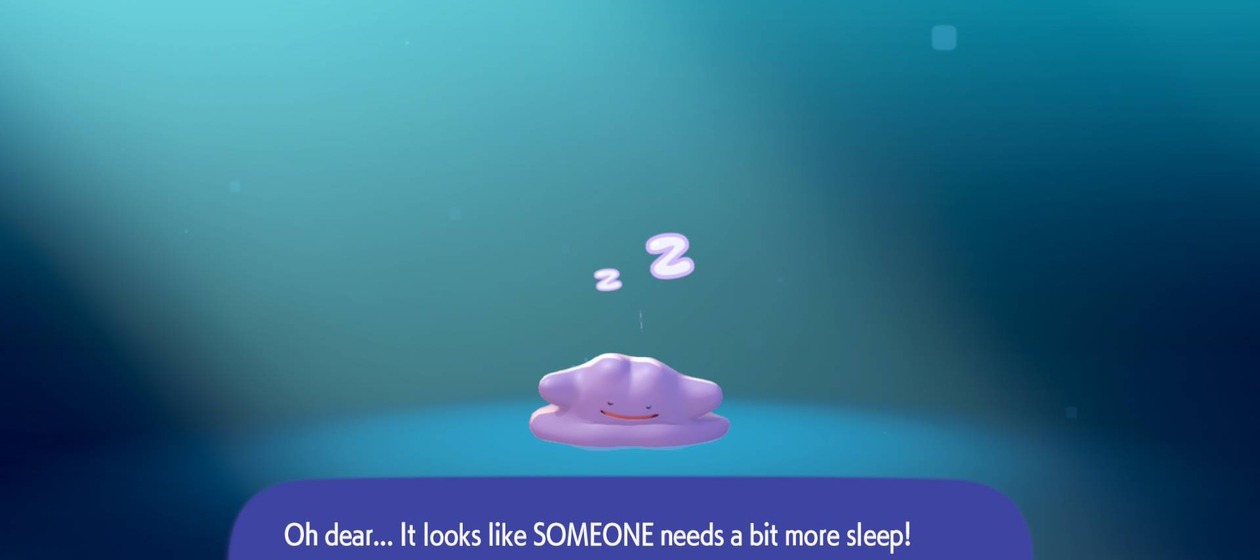
Pokemon Pokopia's storyline is one of the most surprising and best things it has to offer, and honestly it's kind of strange for me to say this because at the end of the day I'm not someone who's ever been moved by Pokemon game stories. So what's the difference here compared to other games, you ask? The answer here is the game's writing, which allows us to talk directly with Pokemon (Ditto is a Pokemon himself and therefore can talk to and understand Pokemon), something that opens up an interesting angle on their world and on the way the Pokemon themselves experience the special bond most of them have with their Trainers.
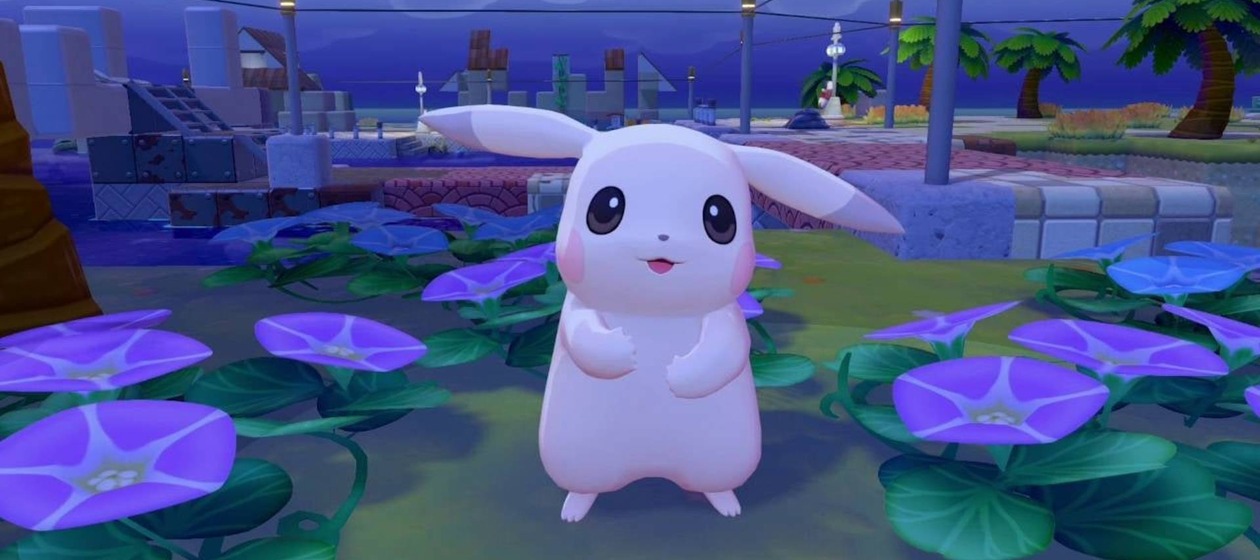
Pokopia doesn't skimp on moving, funny, or strange moments, which turns its story into a kind of emotional rollercoaster that personally managed to surprise me for the better the vast majority of the time - Peakychu's storyline for example, who is essentially a Pikachu that lost his ability to generate electricity, is an excellent example of this, and alongside this specific storyline are mountains of text that the various Pokemon say that will most of the time just put a smile on your face, so it's really worth investing in reading everything (and the side texts you can unlock as part of exploring the world itself). I will note that personally I felt some of the game's storylines progress a bit slowly at times to a level that was personally harder for me to bear, but after getting past those hurdles and letting the game open up both story-wise and gameplay wise, the pace improves wonderfully, and it's good that it does.
Sandbox
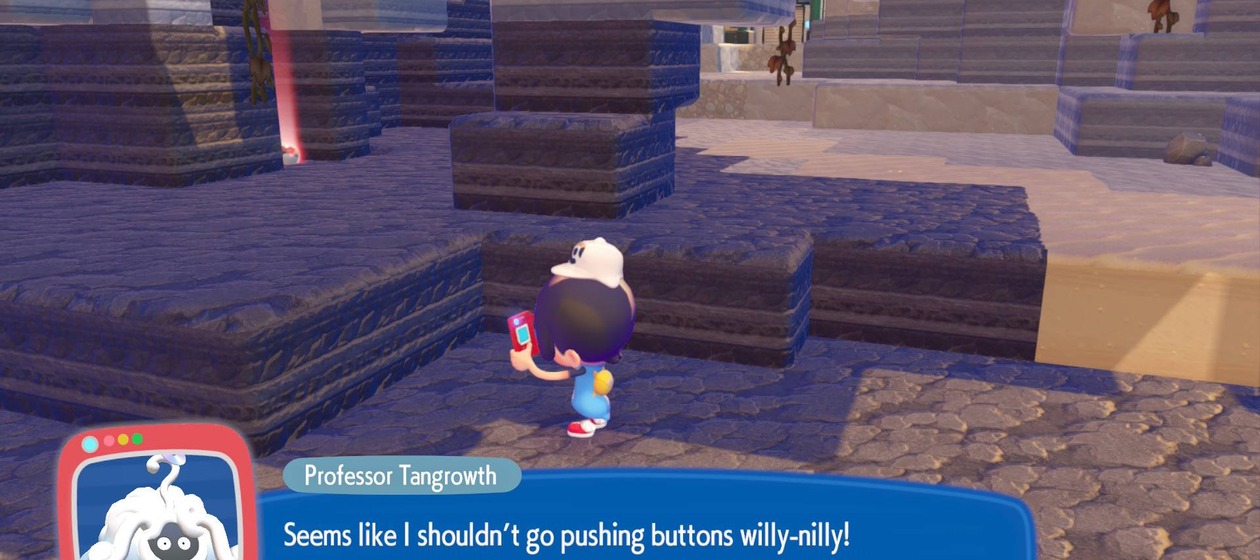
Since I mentioned gameplay, yes, Pokemon Pokopia is a game that essentially functions as a sort of hybrid between the Animal Crossing game series and Dragon Quest Builders, and in fact part of this game's development team includes Omega Force, which was the studio responsible for developing the second game in the Dragon Quest Builders series. In practice, we'll need to focus on two main elements alongside advancing the story -the first will be creating direct connections with various Pokemon that we'll meet after we make them "return" to a dedicated habitat that we'll build for them, whom we'll help by completing various missions they'll give us in order to improve their living conditions in each of the game's maps, and the second will be our ability to design and improve the overall appearance of the various maps in a way that also appeals to the Pokemon themselves.
The diversity in the Pokemon themselves is also great - the game provides us with encounters with Pokemon from various different generations, and I was personally surprised to see the level of diversity the game offers in this area, especially if we factor in that there are Pokemon that are harder to encounter than others, which raises the challenge level for those of us who will try to complete the Pokedex here.
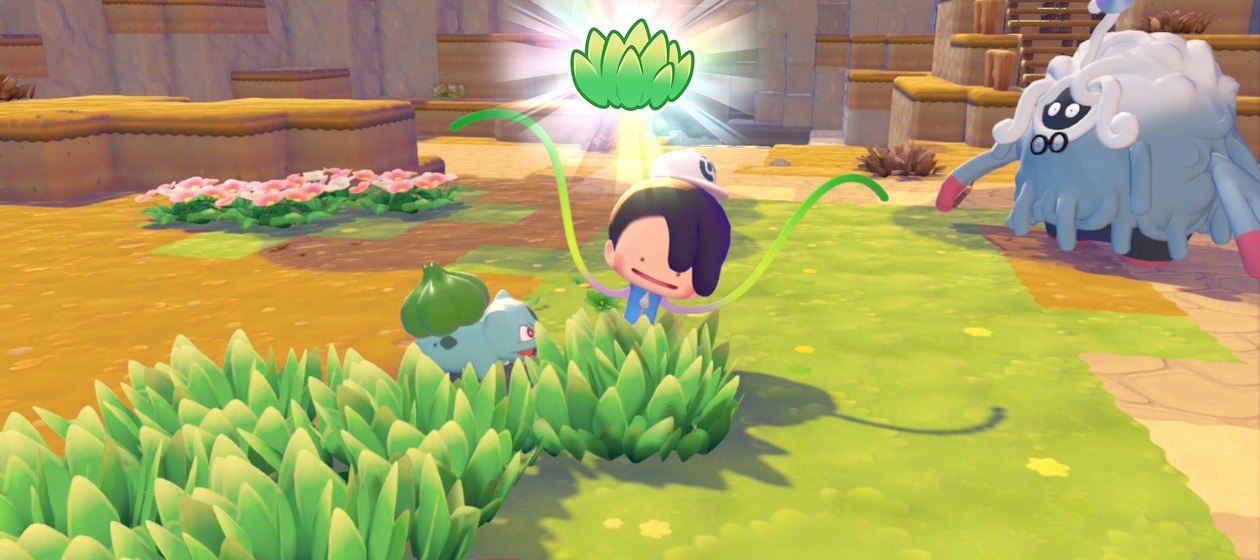
I'll actually start by summing up this gameplay experience in one sentence: "Pokemon Pokopia's gameplay is addictive, in the good sense of the word," and from here I'll expand and say that Pokemon Pokopia's gameplay experience is refined, satisfying, and simply great, and the reason it's like this if you ask me is because almost every possible mechanic in this game is designed first and foremost to help you, but also not necessarily to hold your hand—this game's learning curve sits on the fine line between "very simple" and "terrifyingly complicated," and personally it was very easy for me to understand how the different systems work and what I need to do in order to utilize them, but at the same time I also understood relatively quickly that there are probably quite a few things I'm doing "wrong," which personally made me explore the game particularly deeply in an effort to get the best out of it and its various gameplay systems, similar to the wonderful experience I got from the amazing Stardew Valley, which I still consider today one of the best PC games we've ever received. The result here is that Pokemon Pokopia is one of those games you can literally land on anyone without too much trouble, which in my view works very much in the game's favor.
The numbers speak for themselves by the way—over 2.2 million copies of this game sold in the first four days of its launch, along with an impressive number of people who reported they purchased the Nintendo Switch 2 just for this specific game—this is a real phenomenon, no less, and if we focus this on war-torn Israel and our current situation right now, unfortunately (or not), it's also the perfect game for stress relief between sirens or during continuous time in the bomb shelter.
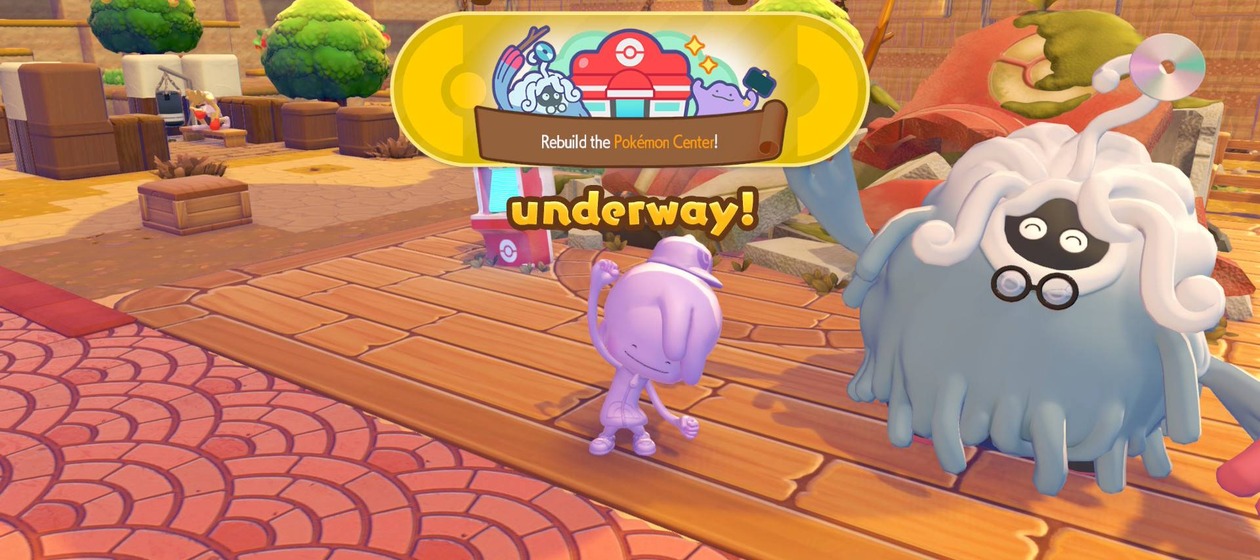
I mentioned in the previous paragraph the level of depth you can reach but let me expand—similar to other games in the genre, here too you can do tons of things that will allow you to improve the appearance and function of your town, starting with the ability to build various structures—you can use pre-made building sets that will design various buildings for you for example, but if you want you can also build them completely freely, grow various crops, connect your various structures to a dedicated electrical grid using generators, and many other things. But above all of these stands Ditto and our amazing ability to "copy" the function of various Pokemon onto himself, something that integrates directly with those gameplay options I mentioned a moment ago. Ditto will start his journey and soon meet the Pokemon Squirtle, who will teach him how to spray water on the ground in order to refresh it, and from that moment until the end of the game you can use this unique ability at any given moment as long as your energy meter is full.
From here until the end of the game you'll learn a truly psychotic amount of new abilities that Ditto will be able to use, starting with the ability to break blocks using Rock Smash attack and up to the ability to change your form to that of any block that exists in the game (Camouflage), This, admittedly, doesn't contribute to the gameplay itself in any way but does open up the option for you to play Prop Hunt with friends in multiplayer mode, which by the way, exists in the game with a gameplay option of up to 4 players in one lobby and even the option to share the game with a player who owns a first-generation Nintendo Switch using the GameShare feature.

Another interesting element you can utilize is the fact that the game is divided into several different maps that you can restore and renovate, but if you're like me and the town design part excites you less or alternatively you're just looking for where to express yourself regarding design and renovation, the game includes a whole dedicated and pretty large map called "Palette Town" (yes, like the iconic town from the Kanto region) where you can mainly do just that. The map itself doesn't include dedicated missions for improving the Pokemon's lives, but mainly focuses on your ability to design the map and the various structures in it however you want.
Regarding visuals and performance, Pokemon Pokopia is available to play only on the Nintendo Switch 2, which allowed its developers to provide us with a product that both looks great and very colorful and also functions great performance-wise with smooth 60 frames per second gameplay whether you play in handheld mode or docked mode. The really only complaint I have about the performance here is that the game's camera control experience is sometimes not the most precise, which may cause you to God forbid break some block you didn't want by mistake, but honestly it's really not the end of the world.
The Bottom Line
There's nothing to say, Pokemon Pokopia is nothing less than a dizzying success—this is a terrifyingly fun game that includes an excellent storyline, a huge amount of things to do, endless colorfulness, and simply addictive gameplay in the positive sense of the word. This is one of the most successful spin-off games we've received under this giant brand, and a must-play game for anyone whose portion is Pokemon and management.