Review: Pokemon FireRed & LeafGreen Switch Version - What and Why
Nintendo brings the classic 2004 GBA remakes to Switch with some welcome updates, but the $20-per-game price tag and limited online features raise questions about whether this faithful port offers enough value for modern players.
While the main Pokemon games of my childhood were Pokemon Diamond and Pokemon Mystery Dungeon Blue Rescue Team for DS, even before those arrived, my first Pokemon experience as a young gamer was Pokemon FireRed, which originally launched in 2004 for Game Boy Advance. FireRed, along with Pokemon LeafGreen, are actually remakes of the original Pokemon Red and Pokemon Green from 1996 (later known in Japan and the West as Pokemon Red and Pokemon Blue). For me, Pokemon FireRed was my gateway into Nintendo's pocket monster brand, and even though I first played it only a few years later on a friend's Game Boy Advance SP from school, my experience with it was very positive and good.
The year is 2026, we're no less than 22 years after the initial launch of these games on Game Boy Advance and 30 years from their original launch on Game Boy, and here we are, talking about them again after Nintendo decided, relatively surprisingly, to launch these games in a dedicated port for Nintendo Switch. On the surface? A welcome initiative bringing these games to a beloved, modern platform. In practice? The same lady, no wardrobe change (almost), costing consumers no less than $20 per game. So why? How? And is it worth it? We checked.
First of Its Name
As I already described in my opening paragraph, we're talking about ports of games celebrating their 30th anniversary from the original release this year, which of course brings me to note upfront that the vast majority of this review is going to deal mainly with the question "why did Nintendo choose to give us this product," and therefore, here are a few words about the story, gameplay, and overall experience you can get from these games: I don't have much to say about the games themselves except that for me at least they represent a significant milestone in my path as a gamer (who grew up on Nintendo more than he grew up on PlayStation), and that as a game I think they're excellently made and provide a good experience that has been preserved no less than excellently even after three decades. The classic battle experience of these games was and remains excellent and fun even when it's actually very, very outdated, training and collecting Pokemon, unlike modern games in the series, feels like a pretty big challenge to overcome (whether we're talking about Gym battles or the work of collecting and completing the Pokedex), in a way that I personally think will charm veteran players just as it will charm modern fans of the brand who are curious to discover "how it was back then."
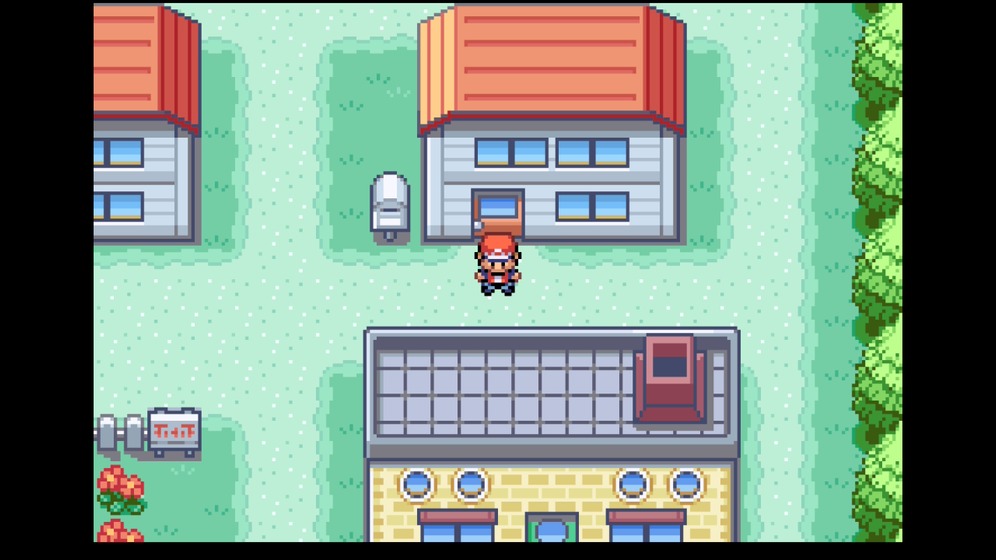
Regarding the port itself, while most of the time it functions exactly as it functioned in the 2004 original, Nintendo did provide some nice updates that might charm you, starting with bug fixes like the infamous "Roaming Roar Bug" and giving the option to receive special items like the pair of rare tickets that grant you access to catch Pokemon like Ho-oh and Lugia - these items were locked in the 2004 original and could only be obtained after you physically attended special Pokemon events around the world.
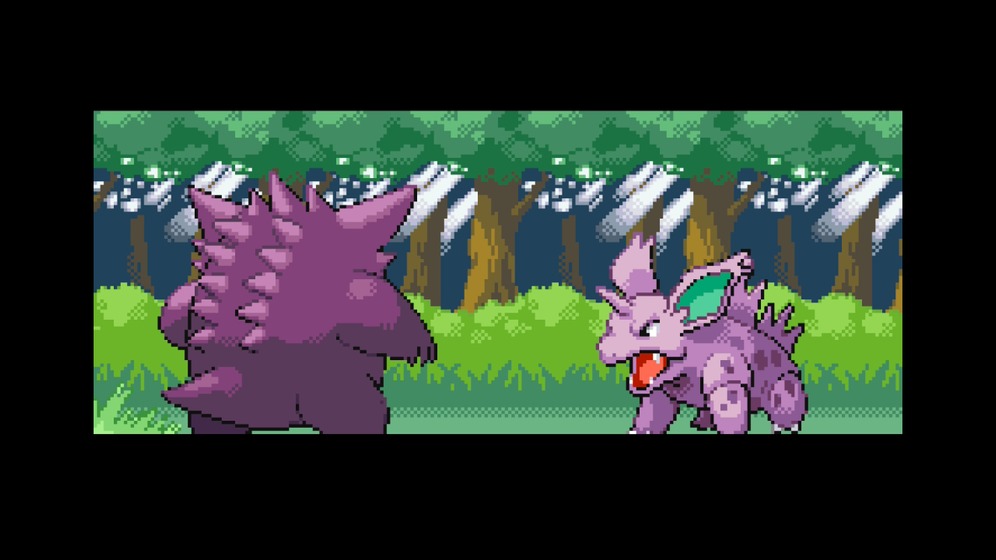
There are of course a few more changes, such as the fact that now you can play these games together with a friend in Co-Op mode without needing Link Cables (including Pokemon trades between two copies of the game), alongside support for Pokemon Home, which will allow you to transfer Pokemon from FireRed and LeafGreen to other games in the series. It's important to note here that each of these features has limitations - unlike other games that allow transferring and receiving Pokemon from and to Pokemon Home, here we're talking about one-way transfer, where you won't be able to transfer Pokemon from other games to FireRed or LeafGreen and any Pokemon you take out of those games can never return to them. Another significant minus in my opinion is the fact that all features related to online play for these two ports don't exist when it comes to trades and battles, meaning you don't have the ability to compete with friends or against other players around the world in online Pokemon battles - this pleasure is reserved only for local Co-Op play (just like back then, when two friends sit in the same room), and that's honestly a bit of a shame, especially when you realize this limitation makes completing the Pokedex more or less impossible.
The Dilemma
The feeling that hovered around me while playing FireRed on my Switch 2 was very similar to what I felt while playing the Super Mario Galaxy series collection that launched last October, where here too the dilemma and central question relates, of course, to the price: in the case of Pokemon FireRed and LeafGreen, these two games cost $20 each, which annoyed quite a few fans who didn't understand why Nintendo chose to market these games in a dedicated port (and pretty lazy, if we're being honest, despite my love for these games) costing $20 per game, while there's an entire GBA game library available to anyone holding an active Nintendo Switch Online + Expansion Pack subscription that these games could have been part of without a problem.
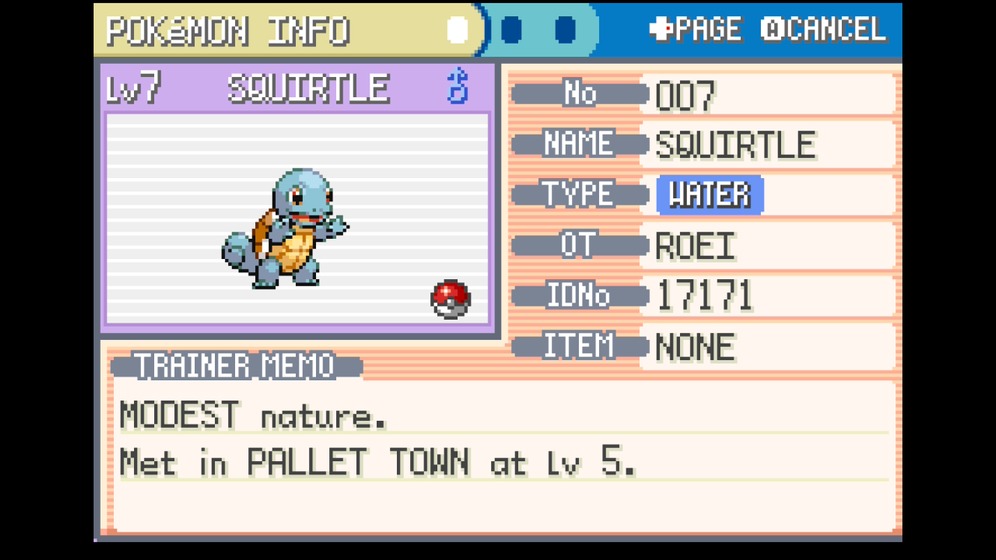
So yes - adding these games to the GBA library of the online subscription necessarily means that Pokemon Home support wouldn't necessarily be available, but honestly, I don't feel that support for this feature necessarily justifies a cost of $20 per game, especially when we got one-way transfer out of the games and nothing more. So what could have been done? Here it would have been right in my opinion to market these games at a cost of $20 for both games and thus allow players to at least get both versions (which include different and unique Pokemon for each version) at a unified and relatively attractive price, which would have sweetened the pill and made this deal much more inviting if you ask me, even though completing the Pokedex still wouldn't have improved since in any case if you wanted to do all the necessary trades yourself, you still need to own more than one Nintendo Switch console, or rely on a friend who will meet you physically for this purpose.
And in the same breath, these games are good and no one can really take that away from them, they have a lot of charm and a lot of appeal, and therefore, it's clear to me and to everyone that there are quite a few people who wanted to buy them the moment it was possible even when they cost $20 each, even though in practice many others will define this deal as "not worth it," and that's probably the real reason why Nintendo had no problem making this move in the first place.
The Bottom Line
So what's my final score for this whole thing? Most of the time I try not to include a game's price in the final score of a review since cost is a metric that varies greatly between people - one person can decide that a game costing $60 fully justifies that price while another person will prefer to wait for some discount before purchasing, but in the current case of these two ports I feel that their price is their significant Achilles' heel, which causes my final score for this review to be affected accordingly. Either way, for a veteran fan of the brand or new players who want to experience a bit of the past, there's no doubt this is a great option that can definitely be considered if you're a heavy user of the Nintendo Switch and convenience is the name of the game for you, mainly because it makes the original accessible and along the way fixes some wrongs (farewell, Roaming Roar Bug) that should have been fixed much earlier.