Review: Phantom Blade Zero - A Heavy Heart
S-Game's debut title Phantom Blade Zero delivers a stunning action-adventure world, satisfying kung-fu-punk combat, and an engaging story, despite some technical hiccups with Unreal Engine 5.
A review copy was provided by S-GAME.
There is no doubt that the Chinese gaming scene has experienced clear growth in recent years. Beyond the many gacha games coming out of the region, the real highlight arrived when Black Myth: Wukong launched in August 2024 to widespread acclaim, followed by Where Winds Meet, which also enjoyed considerable success at launch. While Game Science works on its next title, the newest action game arriving from China is none other than Phantom Blade Zero. This is the debut game from studio S-Game, which already looked promising last year, but does it live up to expectations?
A Brotherhood
Soul, one of the most feared warriors in the East, is betrayed by The Order he serves. When he faces his brother, Zuo Shang, in battle, his brother's sword pierces Soul's heart. A mysterious figure known as the Flesh Sculptor manages to keep Soul alive in a critical state where his heart barely holds on, but Soul is on borrowed time with only 66 days left to live. In his remaining time, Soul must find a cure for his fatal condition while dealing with the entire Chinese martial arts underworld known as The Wulin.
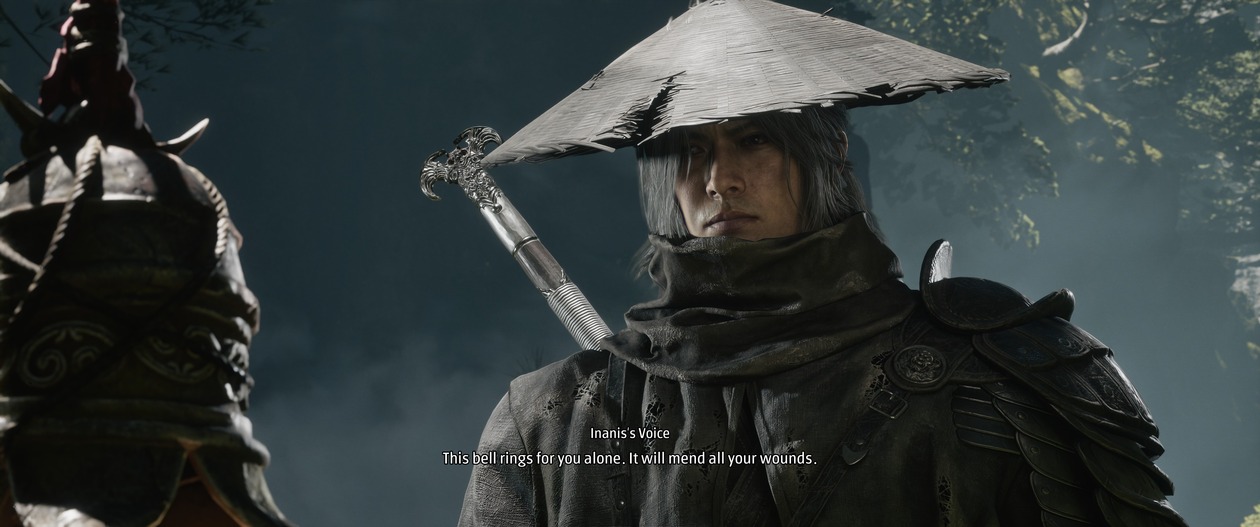
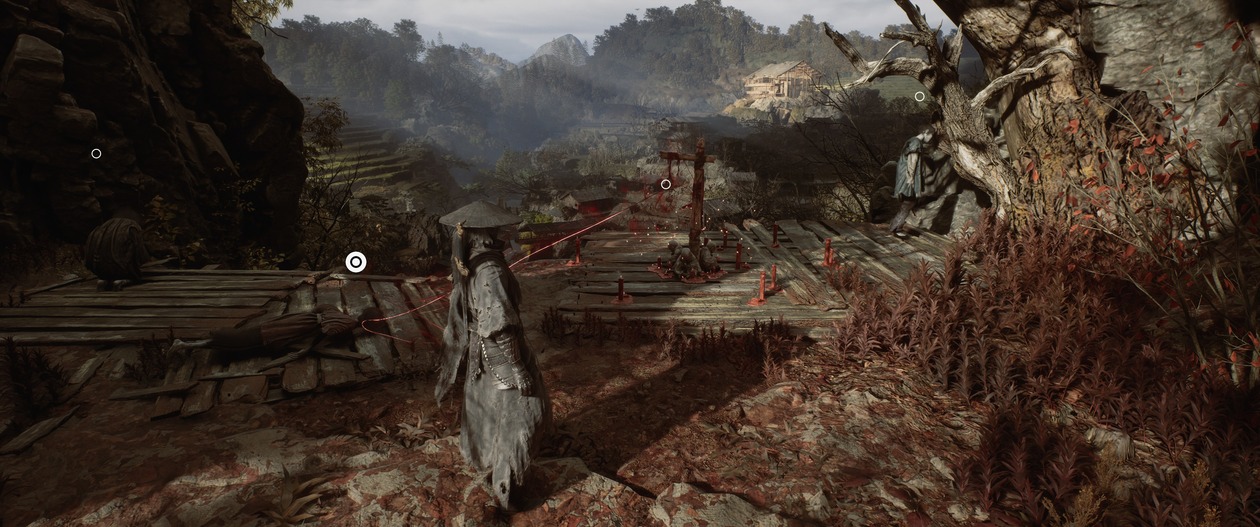
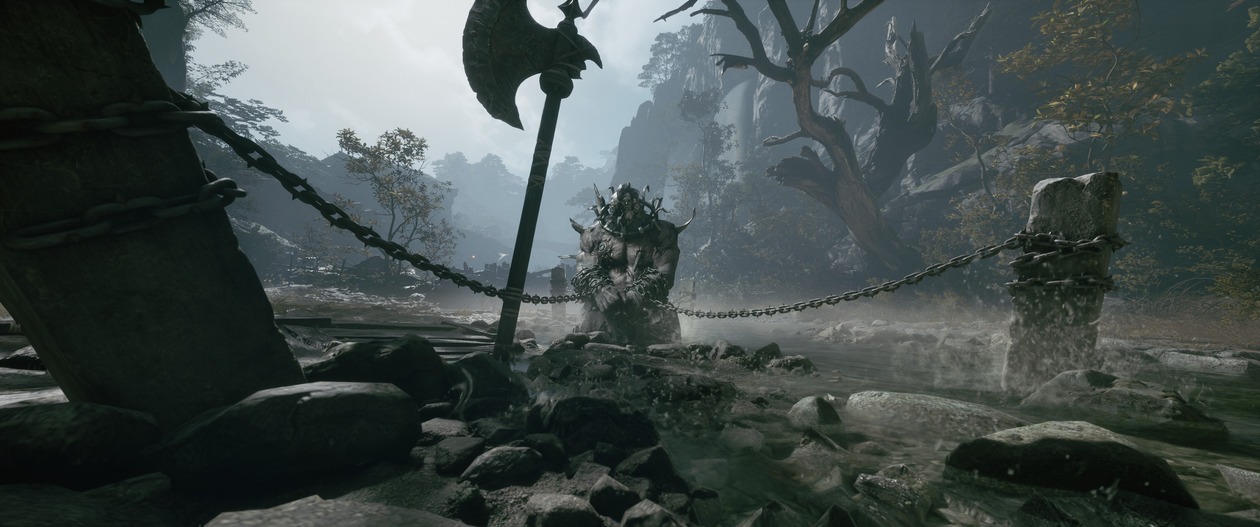
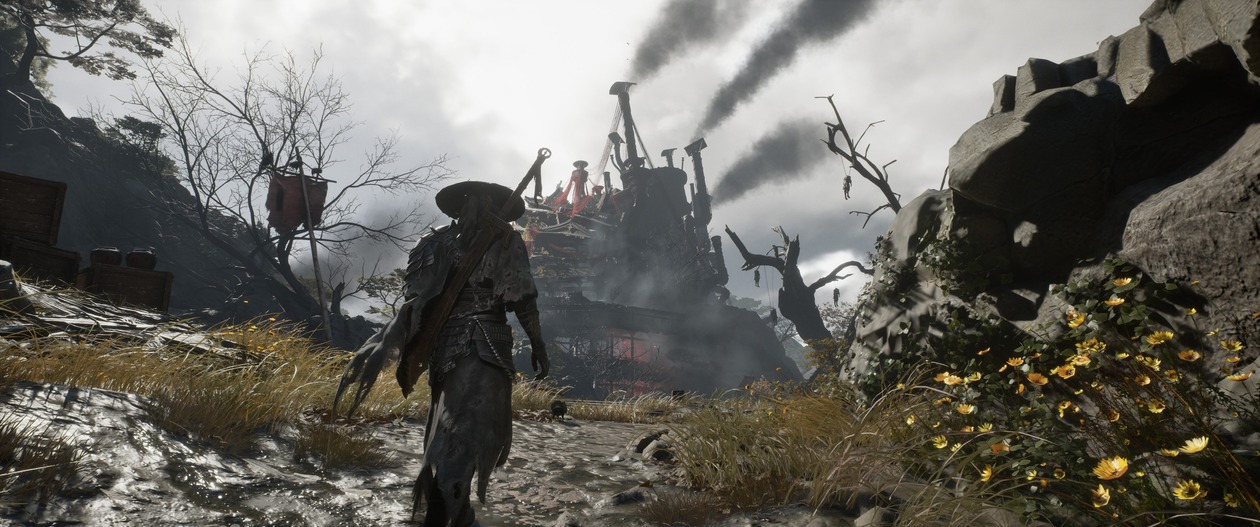
I will actually start with what I usually save for the end: the world of this game is simply stunning, and it is huge. There is plenty to explore, though in a way that is somewhat similar to Final Fantasy XVI: much of what we see cannot necessarily be reached, meaning you can look, but not always touch. Alongside that, the map is very open, and you can reach quite a few places to find various activities and quests that reveal more of the game's story, while also unlocking additional items for Soul that you really should not skip.
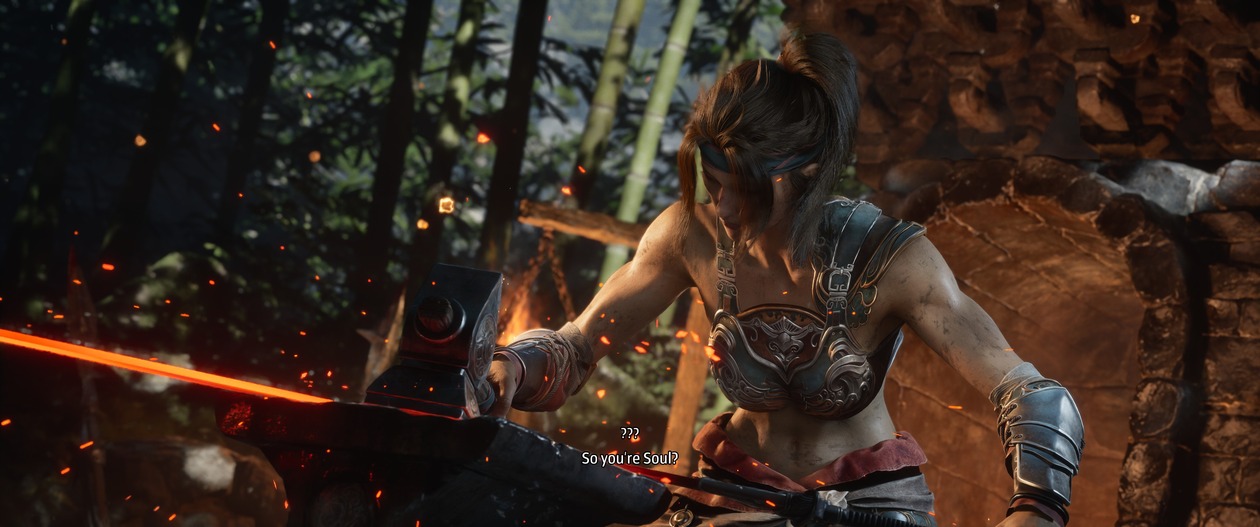
Overall, the game's story is delivered through numerous cinematic sequences and animated scenes that easily rival those found in Black Myth: Wukong. Soul has plenty of dialogue with various characters throughout the game who share their backgrounds, but one of the undeniable highlights of the storytelling is the cinematics. Once again, even though I have plenty to say about Unreal Engine 5 when it comes to performance (and I will get to that), its photorealism is simply jaw-dropping. Developer S-Game spares no expense to show that it has a story to tell.
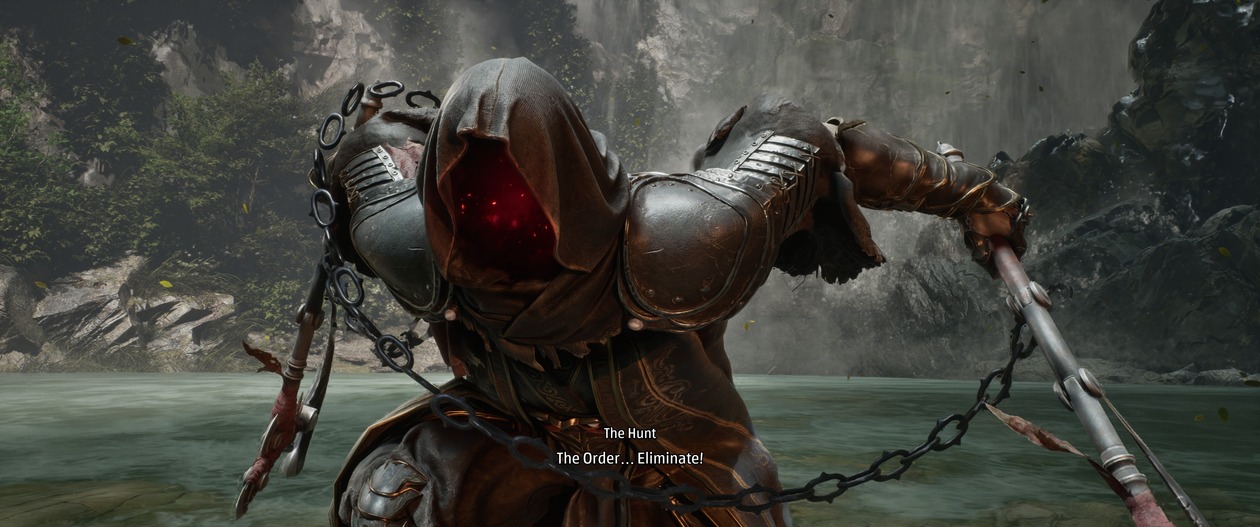
I will note that, in my opinion, the game's story can sometimes feel quite convoluted. While certain concepts become clearer as different characters repeat them, the dialogue can feel slightly confusing. Unless the player pays complete attention at every moment, the way the story is presented feels a bit messy and jumps between past and present. I should also mention that the game's voice acting is only available in English and Chinese. The Chinese dub, for those interested in the original language, is excellent, though some of the subtitles can feel a bit fast. The English voice acting is not bad either; some minor characters feel a bit like someone just walked in and read lines into a microphone, whereas characters like Soul and the supporting cast are wonderfully done. Without a doubt, the highlights for me are the voice acting for Soul and the Hunt.
Past and Present Meet!
The meat of this game is undoubtedly its combat mechanics. While it gives off the vibe of a Souls-like game, it really isn't one, and to a certain extent, it is very far from it. Yes, there is plenty of challenge in some of the fights and various bosses will feel a bit tougher, but the world itself does not function like a Souls game, acting instead as a full-fledged action-adventure title. If you are looking for a game in the style of Onimusha: Way of the Sword, this could very well be your next game; it might be slightly more challenging, but you will definitely find plenty to enjoy here!
Let's start from the beginning: the developer calls the game's combat style kung-fu-punk, which is their way of saying they combine traditional martial arts with more modern visual innovations. Soul's arsenal consists of two weapon slots across 3 different types: a standard sword, a greatsword, and dual-wield weapons. Each weapon has its own stats related to damage and options for breaking enemy guards, and as we level up the weapons, these parameters increase accordingly. The game features a massive variety of weapons, each with its own unique combos and abilities. My current favorite is a sword that makes Soul drink what looks like sake, allowing him to dodge almost any attack from his enemies.
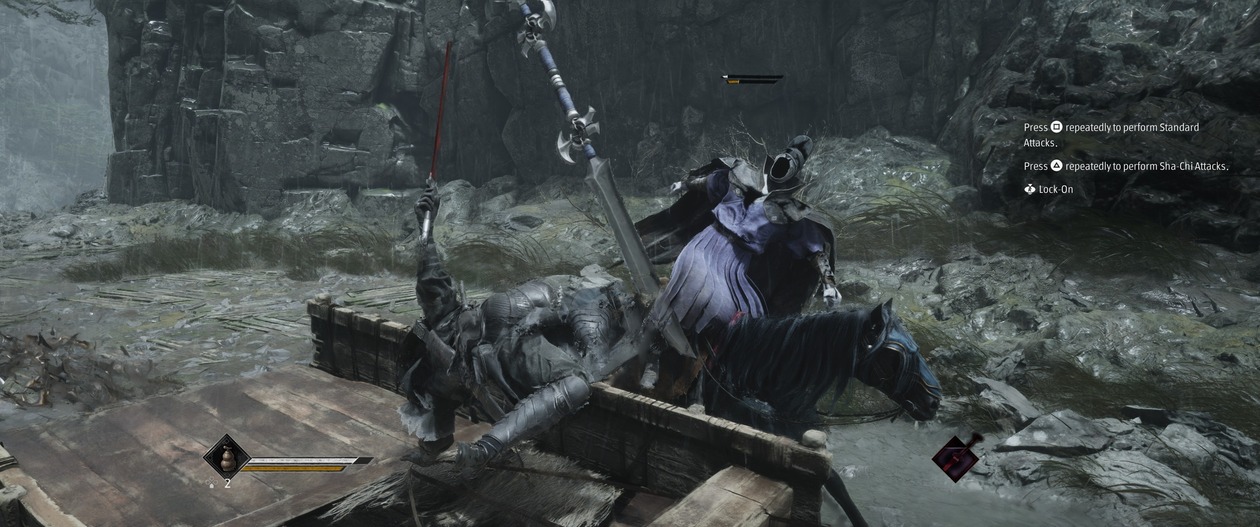
You can also hold two special weapons at the same time. These are weapons with more specific effects, such as breaking guards with a large axe, dealing ranged damage with a bow and arrow or throwing knives, and more. Some of these weapons drop primarily from bosses, and some also interact with the environment, opening up additional exploration options in different areas and proving essential for unlocking the entire game world. There are also two slots for healing potions, buffs, and other effects that can be collected from treasure chests while exploring the map.
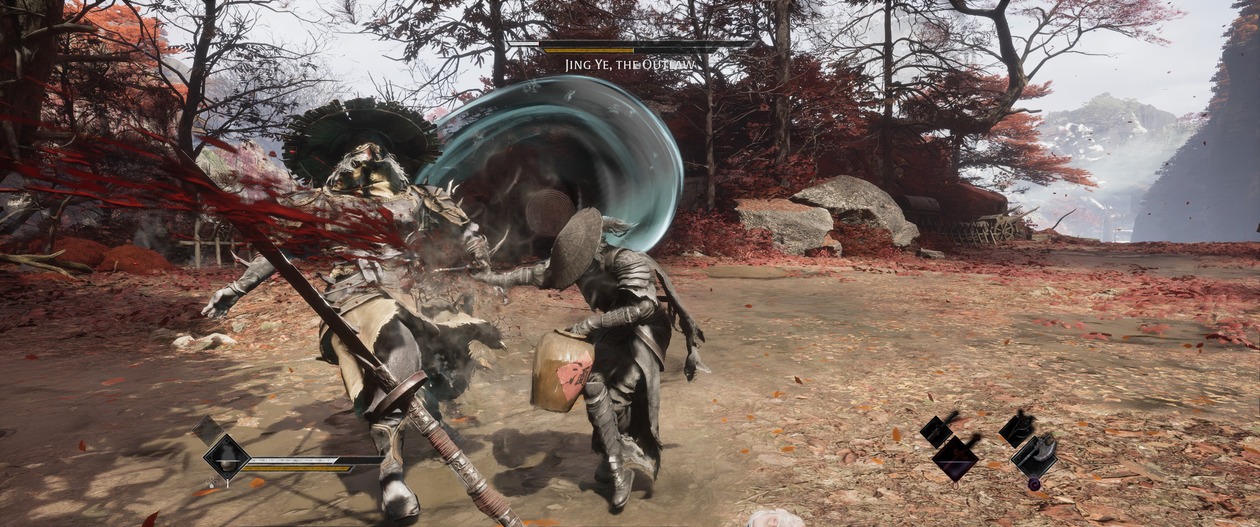
The combat system itself is very satisfying and fun, yet at the same time, even when it looks and feels like a Souls game, it is without a shadow of a doubt far from being one and is much more forgiving than I would have guessed. During combat, we have a regular attack and a special attack that costs Sha Chi. The Chi meter also directly serves as Soul's Posture meter, so you need to know how to use it without leaving Soul exposed to enemy attacks. We also have the ability to dodge and block. Certain enemy attacks will emit a blue or red flash, and you need to dodge or block accordingly to execute a precise and deeply satisfying Parry. It is an exceptionally fun combat system.
While exploring the world, we will find lanterns where we can save the game. While resting at them replenishes Soul's health and various resources like potions, enemies in the world do not respawn at all, meaning once they are dead, you cannot go back and farm more Remnant Dust (the game's currency) to level up abilities and upgrade weapons. While the lack of enemy respawns makes exploration easier if you need to backtrack to previous areas, it does make the need for the main currency problematic; it is impossible to obtain it in other ways, which makes the game's economy flawed.
Certain abilities we can buy for Soul cost Remnant Dust. When we want to upgrade our weapons, we need this currency, and sometimes, if we want to upgrade a weapon on the spot, we also need to buy an additional resource like bricks. If we want to sell the bricks to get more Remnant Dust for something else, we sell them for a lower price. This creates the economic problem I mentioned earlier: since we cannot go back and simply kill more monsters to get more currency, we are left in a situation where the game has a fixed amount of obtainable currency. If we sell bricks to get a bit of currency, buying the brick back later will leave us with fewer coins, effectively locking ourselves out of being able to perform additional upgrades in the future.
Journey to the East
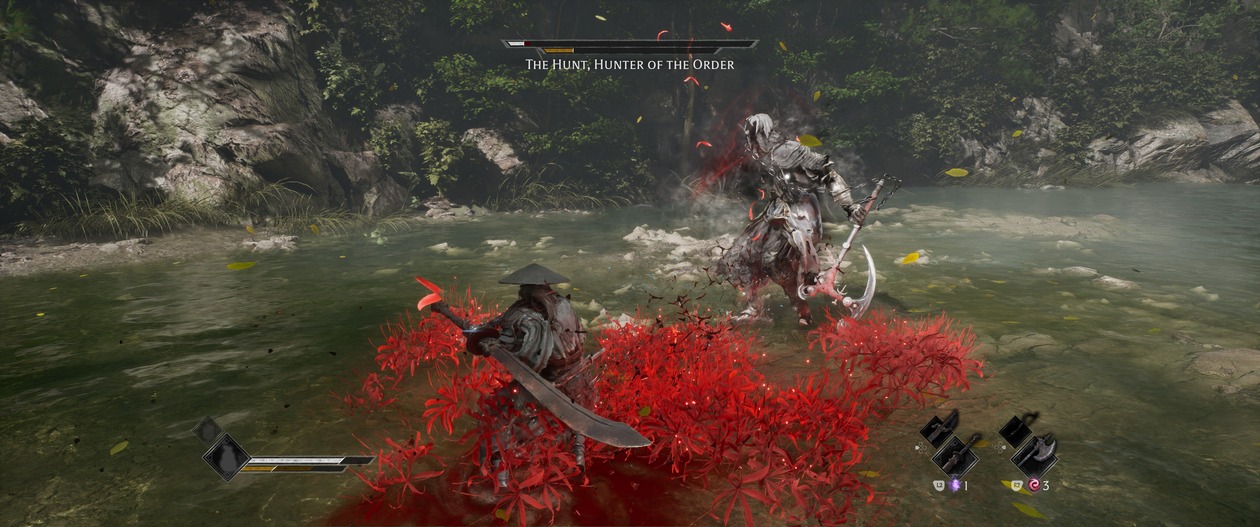
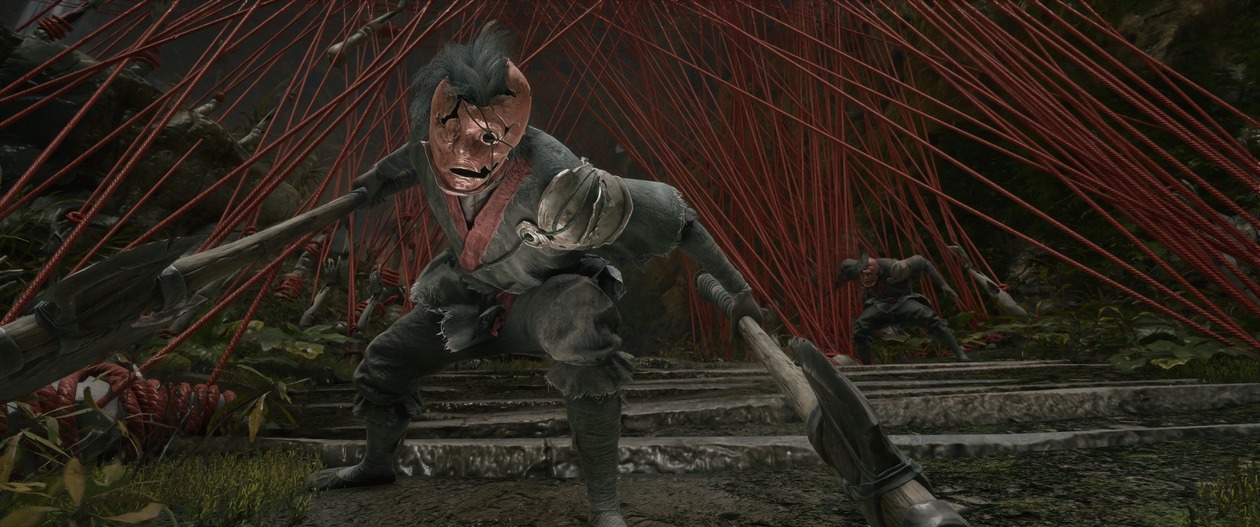
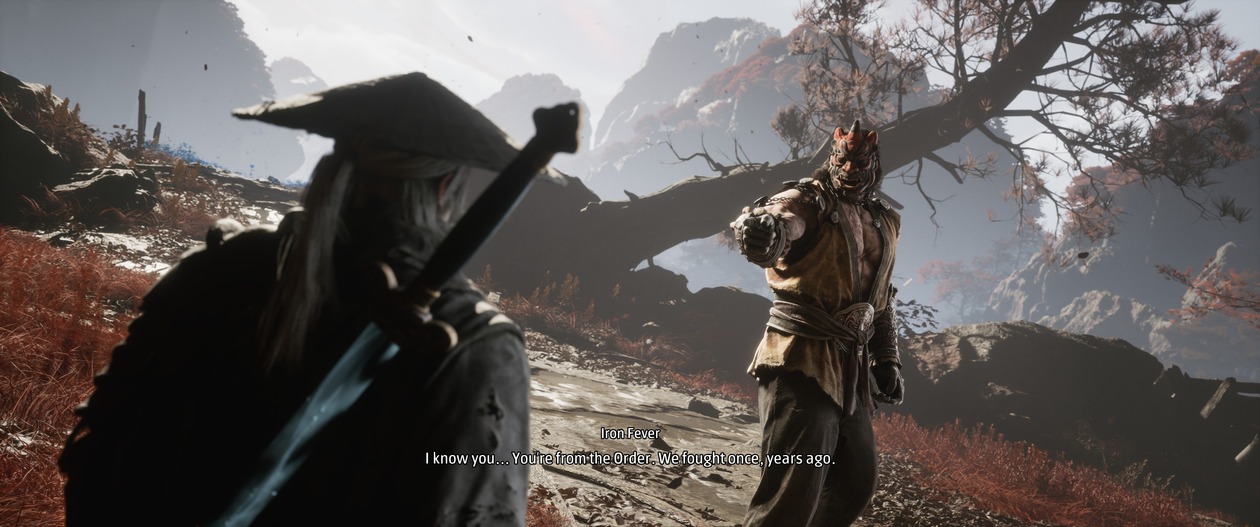
While the combat system itself is very enjoyable, to the developer's credit, the game also features a fairly wide variety of enemies that holds its own against many other games in the genre. The game is divided into several sections like provinces, and each province has its own unique enemies with very distinct designs. In contrast to the enemies, however, various NPCs in the game, such as guards and fighters we meet along the way, are not unique. They are undeniably copy-pasted versions of one another, to the point where they even share the same voice actor. In places like human camps, you can suddenly run into the exact same model standing right next to his clone, with the same voice and just a few different lines, which is very bizarre.
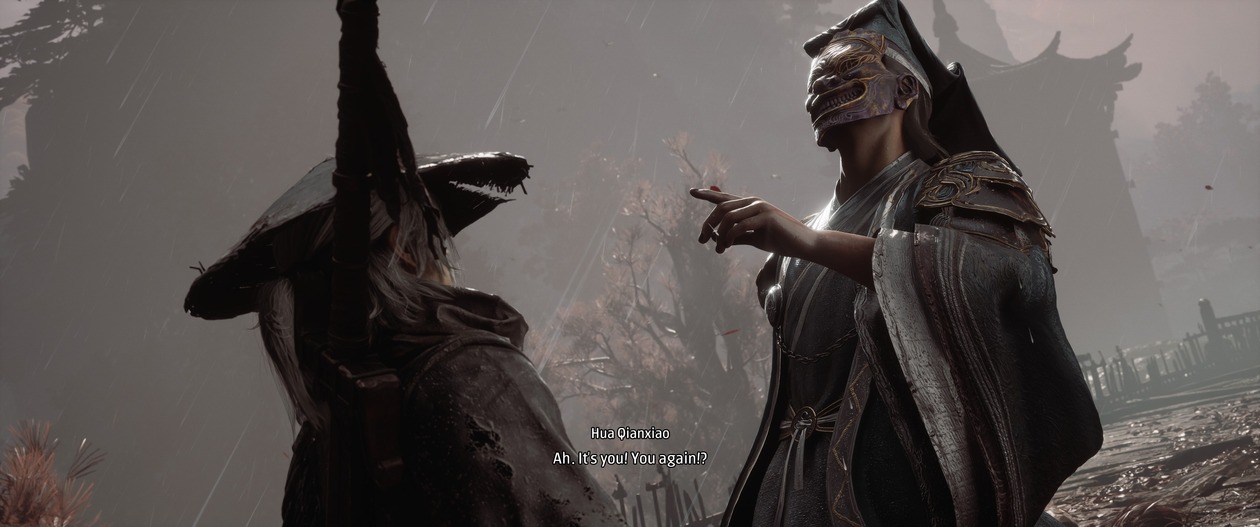
I already mentioned earlier that the game's environments are gorgeous. The use of Unreal Engine 5 here is excellently done, but unfortunately, as always, this engine comes with its own issues that cast a shadow over how the game runs on PC. For starters, during the review period I played on a press build; initially, it caused quite a few performance stutters, and worse yet, the game crashed to the desktop several times. After some work by the developer, we received a fairly large update meant to improve a few things. Among other improvements, the game ran a bit better and has not crashed on me since, though the technical issues were definitely felt while writing this review. Assuming the game is fully fixed by launch as the developer promised us, I hope the issues I experienced will not affect you if you buy the game.
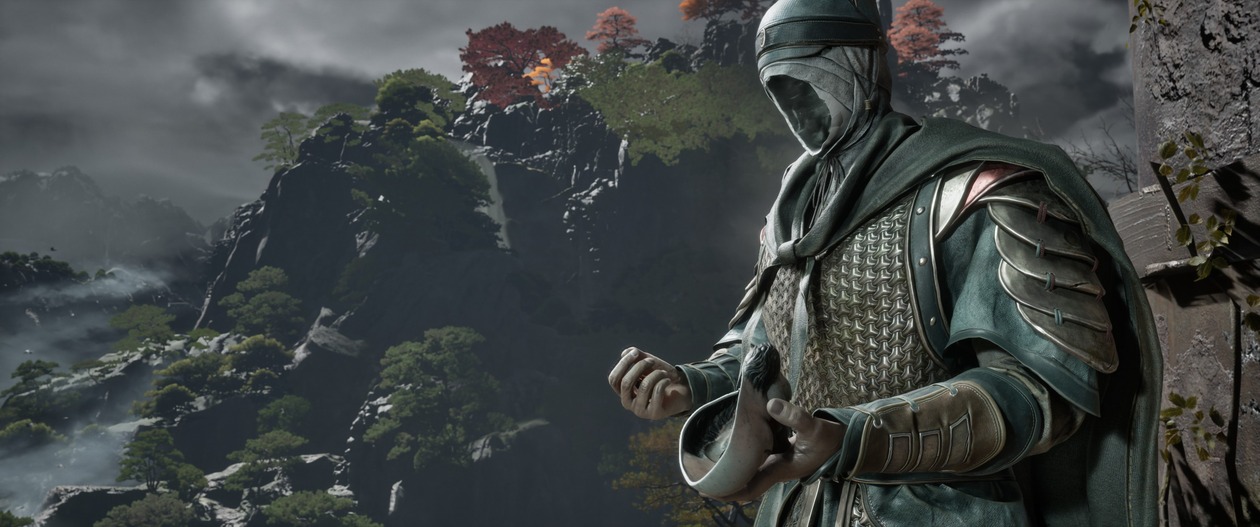
Finally, we should of course talk about the music, and honestly, I was very pleasantly surprised. It is quite diverse, ranging from traditional Chinese music to metal and electronic tracks. It is mostly orchestral music, and it is wonderfully arranged; there is no place we explore where things feel too quiet along the way. In terms of sound design, I also think the studio did a really good job, and it pairs wonderfully with the various features of the DualSense controller on PS5. Perfectly parrying attacks produces a satisfying sound accompanied by matching vibrations in the controller, and it simply feels fantastic.
The Bottom Line
If you ask me, Phantom Blade Zero might be one of the surprise hits to come out this fall. I did not know exactly what to expect (I thought it would be a Souls-like game), but I suddenly discovered a massive action-adventure world inside this title with breathtaking aesthetics, a satisfying combat system, and an engaging story. The issues I had with Unreal Engine 5 in this game can certainly be fixed, though they are without a shadow of a doubt its weak point. So yes, the game's growing pains are noticeable, but none of that outweighs my positive experience with it, making it very easy for me to recommend at this stage.