Review: Morbid Metal (Early Access) - Small Studio, Real Potential
Screen Juice's debut Character Action game is fast, stylish, and surprisingly polished for a first release - with a few rough edges that Early Access is meant to sand down.
There's an unwritten rule quietly taking shape in the gaming industry: if you want a large, struggling publisher to produce something genuinely good, hand the reins to a small indie team and step back. Let them build it. That dynamic defines Morbid Metal, the debut title from German studio Screen Juice, published by none other than Ubisoft.
Say what you want about them, but at least here they showed faith in something worthwhile. Morbid Metal is a confident Character Action game that wears its influences proudly from games like Devil May Cry, Bayonetta, the original God of War - while carving out its own identity through a clever multi-character switching system and a striking visual aesthetic. It has problems, some of them meaningful, and the Early Access label is doing some real work right now. But for a first release containing only two worlds, the foundation is strong enough to demand attention.
 Style, Speed, and Substance
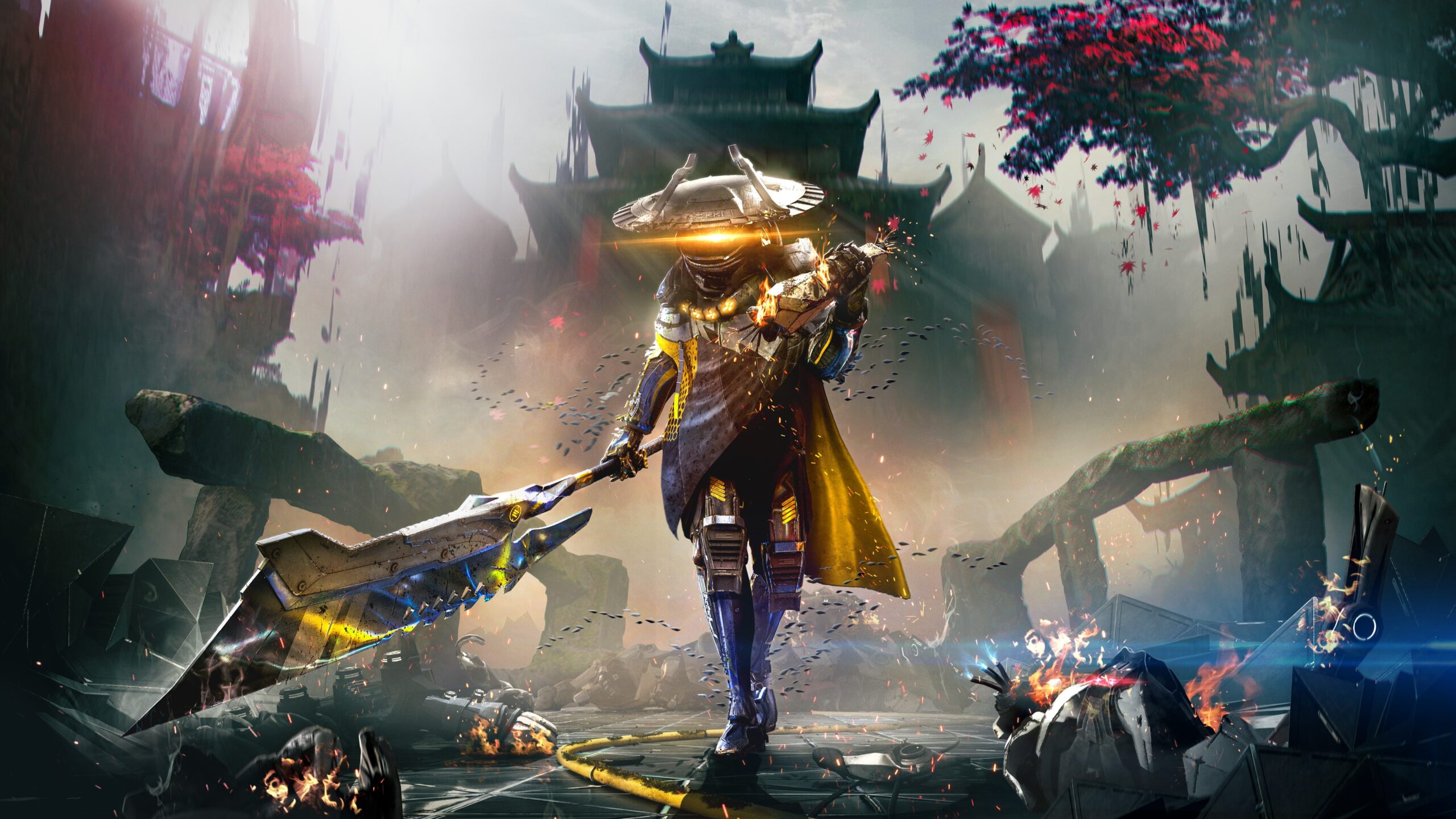
The backbone of any Character Action game is its combat, and this is where Morbid Metal makes its strongest case. The structure looks deceptively simple at a glance: a standard attack, a special ability on a cooldown, and a Super Attack that charges from damage dealt. Layered on top of that is a movement toolkit designed to keep the pace relentless - a dodge, a double jump, an arena dash, and Blink Strike, a skill that fires you instantly toward a distant enemy. The tools are intuitive, but what you do with them is where it gets interesting.
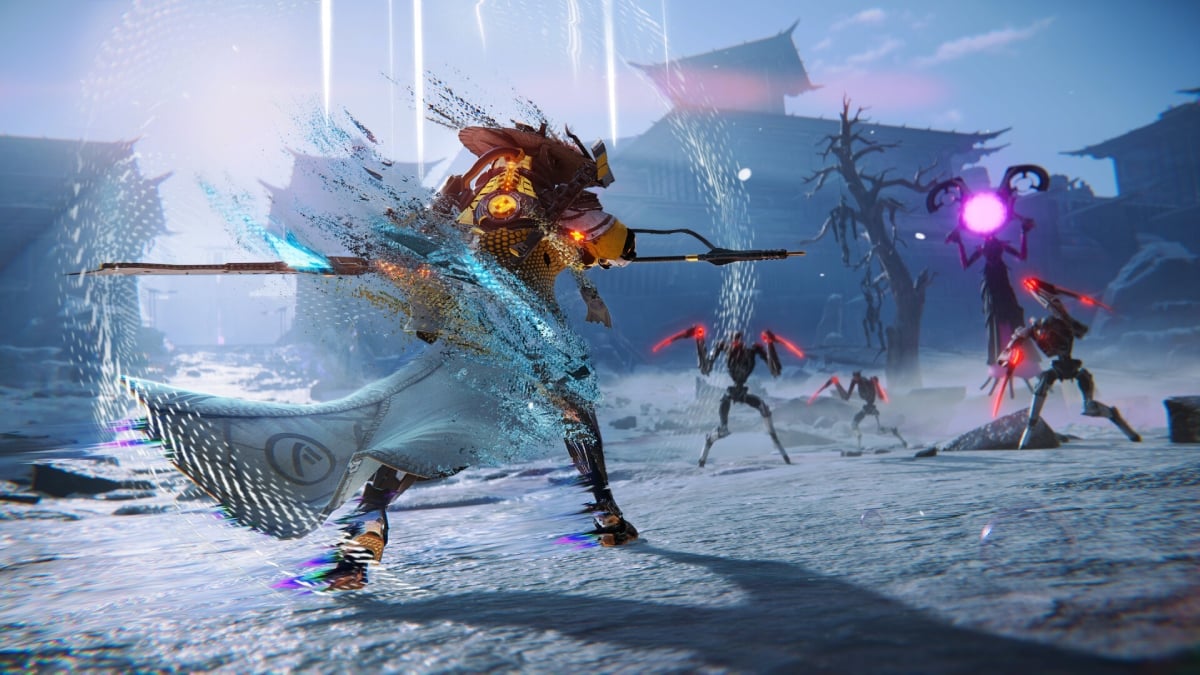
You start with FLUX, the game's default character - a fast, aggressive swordfighter built for relentless forward pressure. As the game progresses, additional fighters unlock, each with a fully distinct moveset.
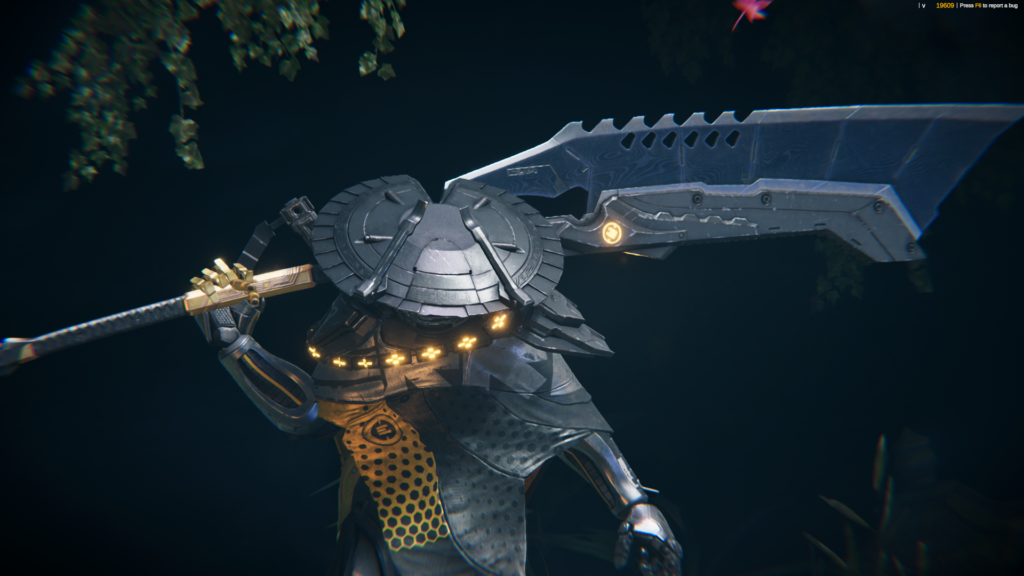
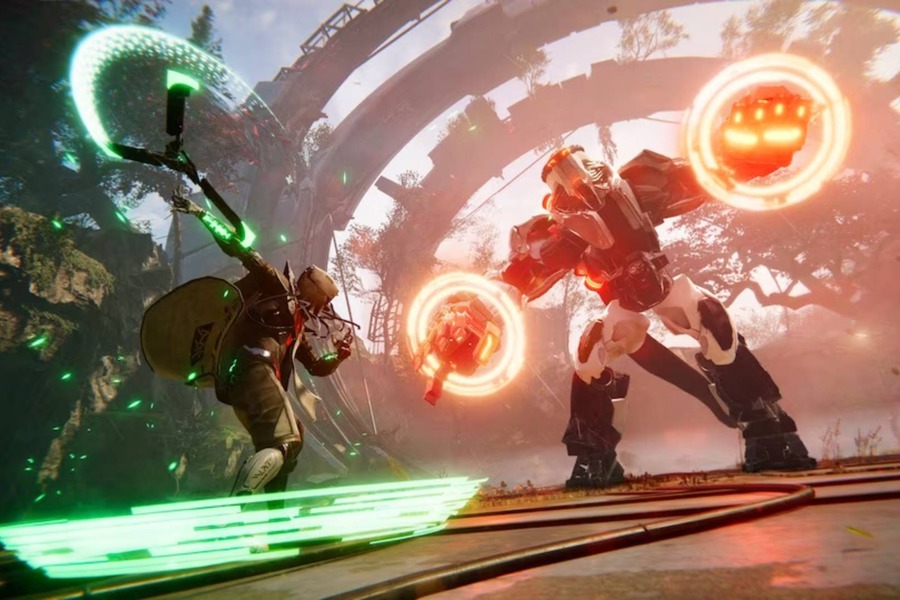
 you unlock EKKU later, which plays as a deliberate counterpoint: slower, heavier, trading FLUX's mobility for powerful stun attacks, knockup abilities, and dominant arena control. Where FLUX dances around enemies at speed, EKKU grounds them and dictates space. The contrast is meaningful, and it sits at the center of everything that makes the system tick.
 Switching between characters is instantaneous. No cooldown, no delay, no animation lock. This single design decision elevates the combat from competent to genuinely exciting. You can Blink Strike into an enemy cluster with FLUX, immediately swap to EKKU to knock them airborne, double jump to follow, swap back to FLUX, and continue the juggle with aerial attacks while the combo counter climbs. There's even a smart nuance baked in: your aerial string is finite, but executing a Dash in the air resets it - meaning a sharp player can sustain a juggle well beyond its natural ceiling. That kind of depth, in a debut title, is impressive.
 The combat isn't without friction. Each character's individual moveset is deliberately sparse, which means that in windows where both special abilities are sitting on cooldown, momentum drains. The game rewards aggression but punishes you for it in those brief dead zones, leaving you pressing basic attacks and waiting for skills to come back online. It can undercut the rhythm the game is actively trying to generate. In early runs this feels more significant than it probably is - once the mechanics fully click and you're threading character swaps with real intention, those gaps shrink considerably. The combat ceiling is high enough to keep you chasing it well past the point it becomes familiar.
 Roguelike - For Better and Worse
Here is the wrinkle: Morbid Metal is also a Roguelike. Each run sends you through a procedurally connected sequence of rooms and encounters building toward boss fights at the close of each world. Fail, and you go back to the start of Biome One. Succeed, and your next run also begins at Biome One. Completing both worlds in a full, clean run will take around ten hours - but across those hours you'll encounter the same enemies, broadly similar room configurations, and largely identical moment-to-moment pacing, differentiated mainly by the random skill upgrades you pick up along the way.
The randomized skill pool adds texture - certain combinations genuinely complement each other and can shift how a run feels from the ground up - but the pool isn't yet deep enough to sustain long-term variety. The fights don't demand the kind of real-time reading and adaptation that define the best examples of the genre. Hades 2 built its roguelike loop around mechanical expression and narrative layering simultaneously. Morbid Metal isn't there yet, and it's the area where the gap between ambition and execution is most visible.
 What softens this considerably is the persistent upgrade system. Currency earned during runs converts into permanent boosts between sessions, steadily widening your window of survivability and making each subsequent attempt faster and more confident. Special rooms add unpredictability - bonus currency drops, mid-run ability modifiers, and challenge arenas that gate powerful upgrades behind a tough optional encounter. These are the pieces that hint at what this structure could eventually become, and they're doing real work in the current build to keep runs from feeling purely repetitive.
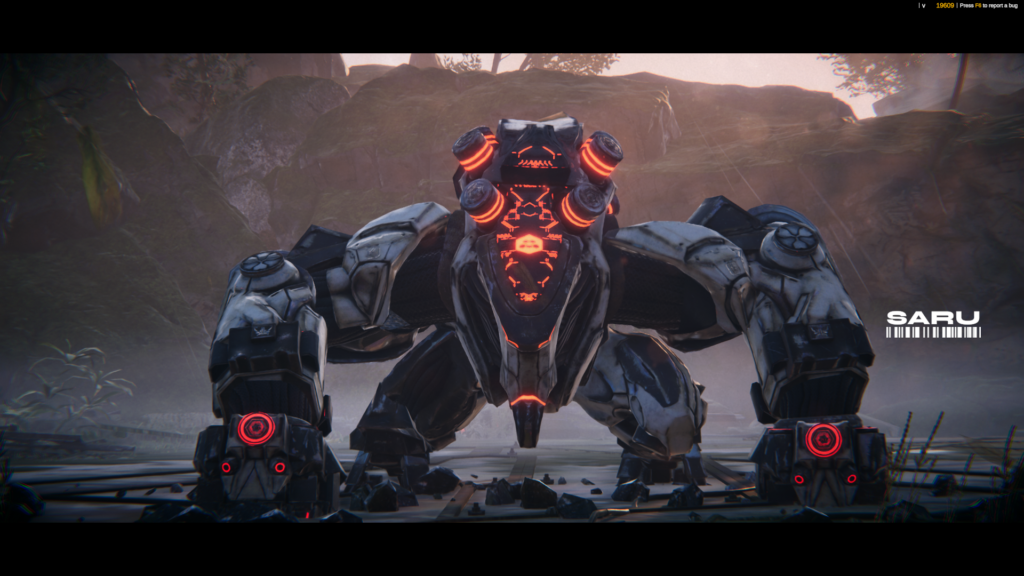 After clearing the first world, dying - or even completing a full run - sends you back to Biome One with no checkpoint, no option to resume from the second world after conquering the first. That reset registers as a constraint rather than a feature. It's the kind of decision that works beautifully when the fiction is built around the loop. Here, it mostly just costs you time.
 A Stunning Debut on Every Screen
Whatever structural critiques apply to the roguelike design, none of them touch the presentation. Morbid Metal is, for a debut from a small German studio running on Unity, a genuinely beautiful game. The first world is lush and full of color - deep greens, dynamic lighting that plays off the motion of combat, a palette that makes every encounter feel kinetic and alive. The second world is a deliberate pivot, shifting into a desert-swamp hybrid environment that surprises with how visually confident it is. The art direction throughout is cohesive and purposeful, communicating the game's tone without ever tipping into the generic.
The audio is where things get more surprising . You wouldn't expect a debut indie title to have a memorable soundtrack - passable ambient loops are usually the best-case scenario - but Morbid Metal turns in several genuinely strong tracks. The standout is the second boss theme, which arrives with exactly the kind of weight and intensity that a major encounter deserves. The regular combat music is less varied and could use more rotation across extended sessions; there's a fatigue point that arrives earlier than it should. But the overall sound design works, and when the music lands, it lands hard - which, for a first attempt, is more than most can claim.
 A Work in Progress
Early Access comes with an implicit contract: the player accepts unfinished edges in exchange for being part of the development process. Morbid Metal upholds its end of that deal in most respects, but there are bugs in the current build that cross the line from minor inconvenience into genuine disruption. The most significant involves the character swap - the mechanic that everything else in the combat system is built around. On multiple occasions across the review playthrough, triggering a swap produced a noticeable delay that broke an active combo, or failed to register altogether. For an ability with no cooldown that is meant to be executed rapidly and instinctively, this is not a small problem.
Separately, certain ability inputs failed to register during active combat sequences, creating brief but maddening windows of dead inputs at exactly the wrong moments. These are fixable - the kind of bugs that a focused patch addresses directly - and Screen Juice appears actively engaged with their community and aware of the issues. The expectation is that these are resolved quickly. As of the current build, they are present and felt.
 A Story Still Finding Its Footing
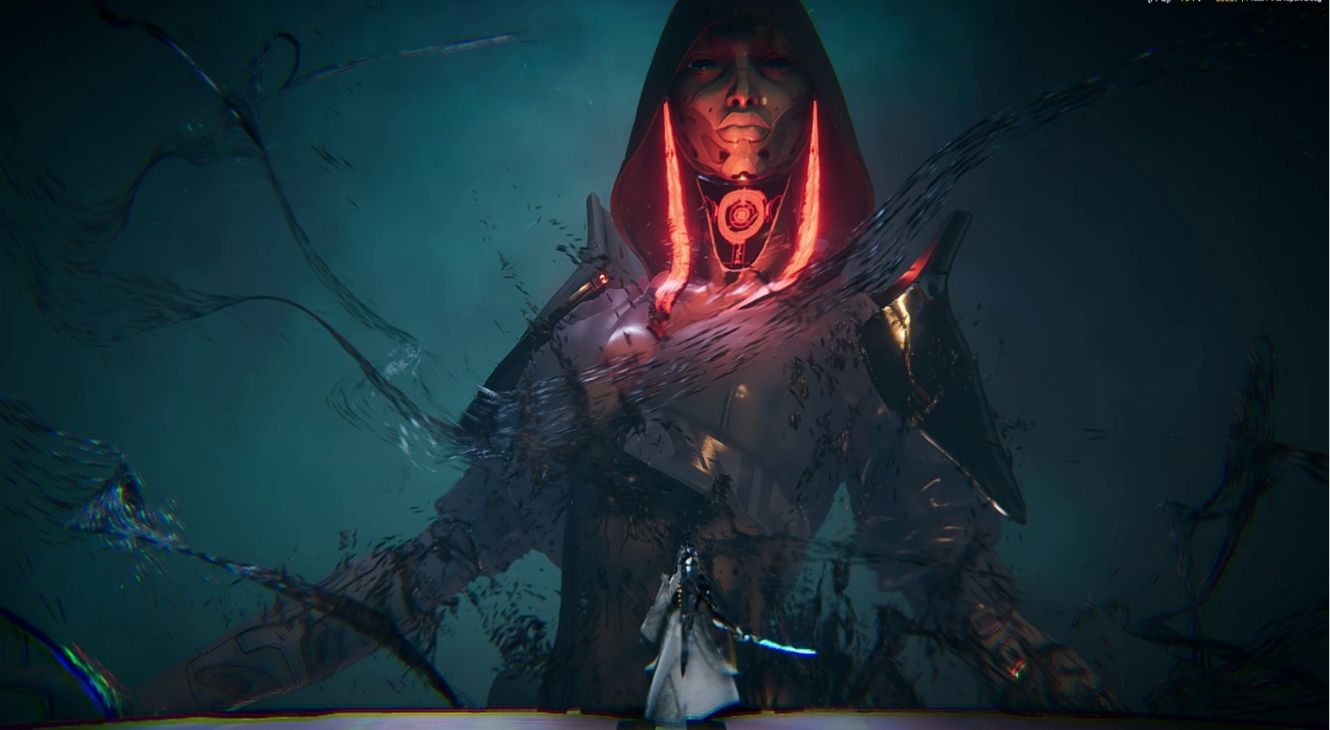
Morbid Metal attempts something genuinely ambitious on the narrative side: it tries to weave the roguelike loop into the fiction itself. The conceit of character iterations, the mysterious connection between our playable fighters and the figures called the Operator and Eden - it all reaches toward a lore-dense world where the repetition of runs carries thematic meaning and not just mechanical function. The intent is clear. The execution, in the current build, is so sparse that it's difficult to engage with.
The recent history of Early Access has demonstrated that this doesn't have to be the case. Baldur's Gate 3 and No Rest for the Wicked both delivered compelling, atmospheric world-building in incomplete form - enough to invest players in the setting and characters well before the finished version arrived. Morbid Metal isn't close to that yet. The story is skeletal, the characters are underdeveloped, and the strange world they occupy feels hollow rather than intriguing. This is the dimension of the game with the most room to grow, and it's the one that will matter most for long-term player investment when the full release arrives.
The Bottom Line
Morbid Metal is a promising debut with a combat system that earns real respect. Screen Juice has built something genuinely worthwhile here - a fast, expressive, multi-character action game that holds its own alongside its clear inspirations, even if it hasn't matched them yet. The roguelike structure introduces limitations that blunt some of that momentum, the bugs in the current build are disruptive in a system where precision matters most, and the story hasn't yet justified its ambitions. But the foundation is strong, and Ubisoft's decision to back this small German studio looks, at least so far, like one of the smarter calls they've made in a while. The full release could be something worth getting loud about.