First Impressions and a Chat with the Developers of WARDOGS
WARDOGS combines Battlefield-style gameplay with unique economic mechanics where every action costs or earns money, creating a fresh take on the multiplayer shooter genre with massive potential.
Community servers are making a comeback, and we couldn't be happier to hear it
Early access to the game was provided to us by Bulkhead, thank you very much!
I've said this plenty of times before—I'm a Battlefield player through and through. But while I've been playing a ton of Battlefield 6's fourth season (which, by the way, is excellent and I highly recommend it), another game has caught my attention in recent months, especially in recent weeks, and that's WARDOGS, which offers an interesting twist. The first thing that came to mind when I saw WARDOGS for the first time was that this is a combination of Battlefield with King of the Hill mode from ARMA 3, along with gunplay reminiscent of Call of Duty games and some economic elements from Battlefield Hardline. If all that combination sounds like a chaotic mess and an impossible headache that couldn't possibly work, I'm happy to say right now that's not the case, and in my opinion, WARDOGS has tremendous potential to be the next big thing.
Money Makes the World Go Round
The concept of WARDOGS is pretty simple: three teams of mercenaries who'll do anything to make money fight for control of a specific zone on the map. The team with the most players in the zone controls it and accumulates points every few seconds. Within that zone, there's another, smaller zone called the hot zone—any player within the hot zone counts as two players toward holding the territory. But the interesting element of WARDOGS revolves around money. Almost every action you take in the game affects your economic situation. At the start of each round (or after every respawn), you need to go to a vendor and purchase combat gear, with everything costing money—weapons, magazines, bullets, armor, fuel, and even a medkit. If you don't want to run all the way to the combat zone, you'll also need to buy a vehicle or join another player who spent the money to buy one. On the other hand, almost every action you take earns you money: being in the control zone, killing enemies, reviving other players, transporting players to the combat zone, and more. Money rules WARDOGS, and it adds another dimension of depth and meaning to every choice you make, with economic concerns constantly on my mind.
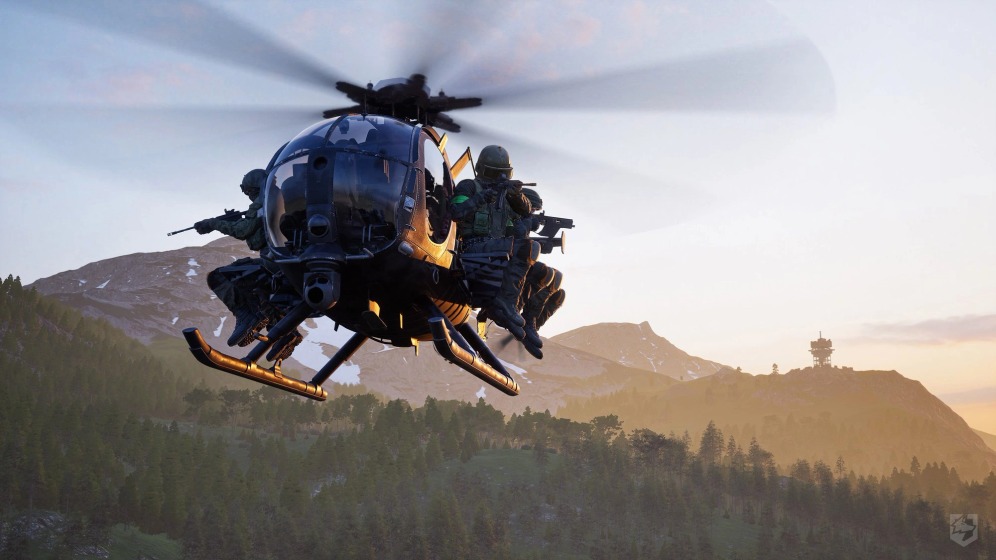
But the constant focus on money also opens up new playstyles that aren't just about killing as many players as possible. For example, in one match, I decided to spend almost all my money to purchase a helicopter and transport players from our base to the combat zone. After several such round trips, I managed to earn a respectable sum that helped me purchase better equipment and weapons throughout the rest of the match. Like me, I saw quite a few players in almost every game serving as drivers or pilots for other players, or as "logistics personnel" bringing supplies to the battlefield—one person's success is another's success too. By the way, did you do a good job? From my experience, players will recognize that and tip you. If you get killed, while you're waiting for someone to come revive you, you can offer a cash bribe as an additional incentive for someone to come revive you—especially useful if there are many dead players in the area or you're in a remote location, and it can convince players to come to you. From experience, it works and it's worthwhile for both sides.
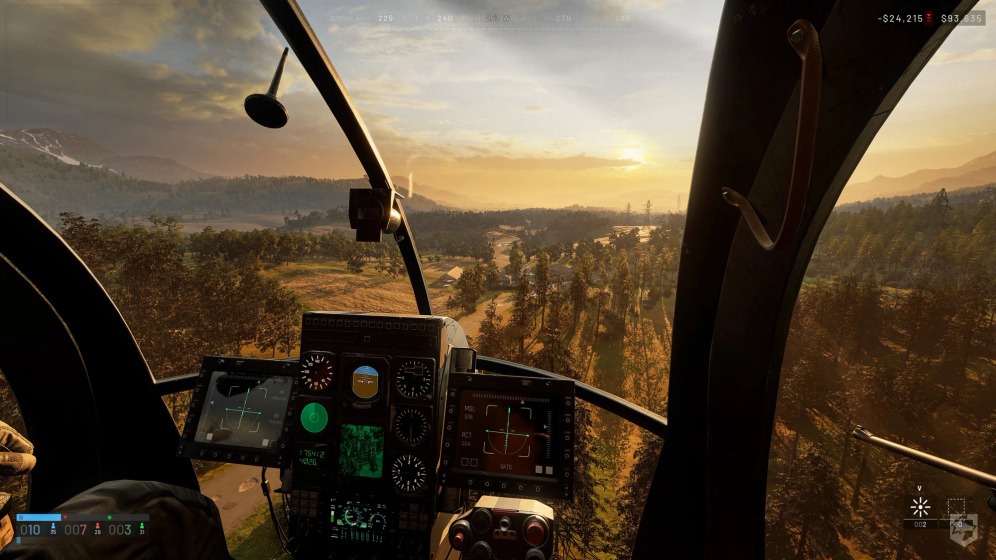
While the economic system is the game's central system, alongside it are several other systems that affect gameplay and how you choose to play. One of them is the weight system, where every piece of equipment you put on your character has weight that directly impacts your movement speed. If you want to be light and agile, you'll probably have to give up heavy armor or explosive ammunition. The progression system also plays a central role, with six different classes you can play (Medic, Assault, Support, Sniper, Driver, and Pilot), each with its own weapons and equipment it allows you to purchase. For example, if you want to purchase an RPG, you'll need to reach level 5 in the Support role, which means you'll need to build fortifications and bases and use shotguns, which are that class's weapons. The same is true for pilots or drivers who will need to successfully transport players to level up and unlock more advanced vehicles.
The Barrier to Entry Only Gets Higher
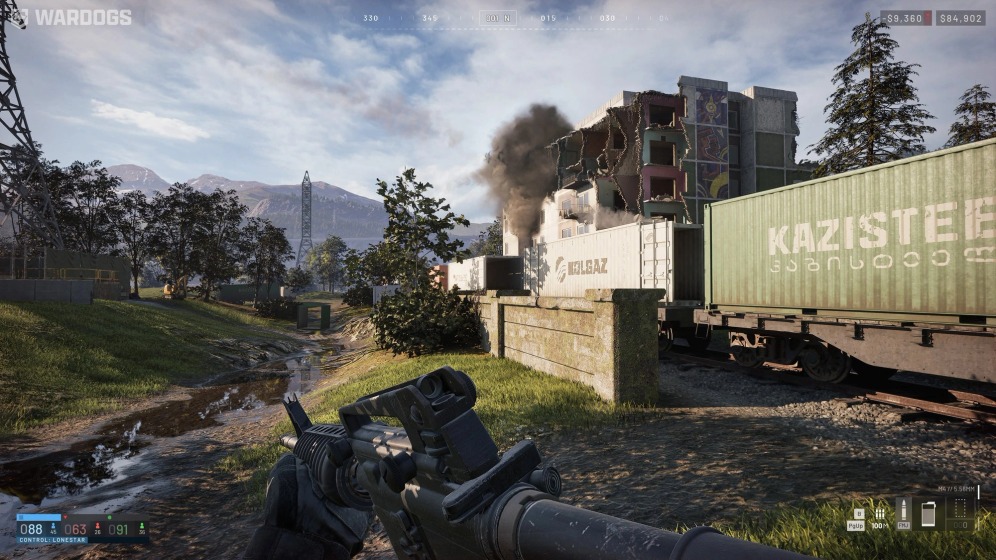
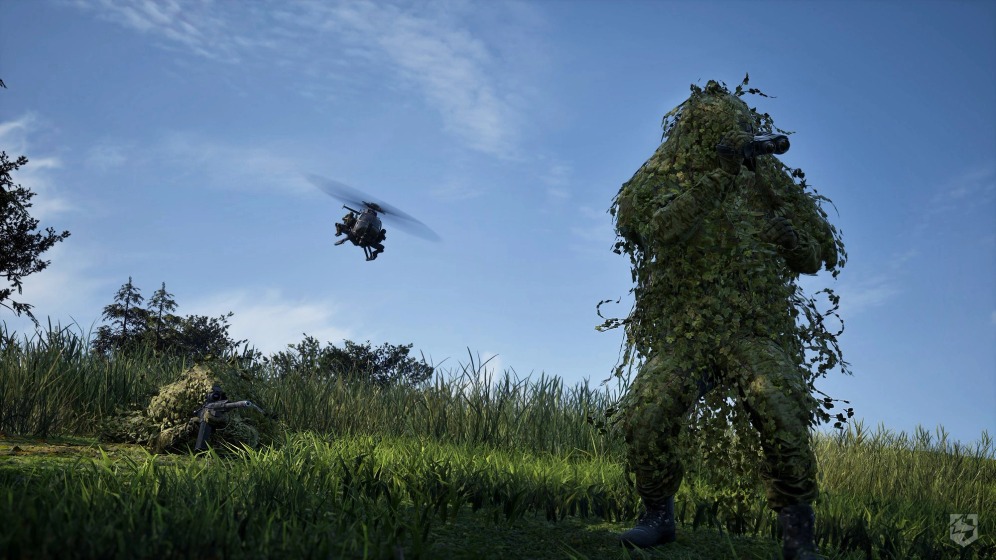
The combination of these three core systems is what gives the game its depth and makes you want to come back to it (very successfully, I must note), and they also directly impact the combat system, which leans more toward the realistic-hardcore side compared to Battlefield's arcade style, though it's not completely realistic. This means it's very easy to kill but also easy to be killed, so every step and decision needs to be calculated because of the consequences they have, whether economic or on gameplay flow. But this is also where some of what I think are the game's problems are revealed. First, because everything is tied to money and being in the zone along with eliminating enemies grants significant amounts, there are many players who spend the match hiding in bushes without any way to see them until they open fire and kill you without any real ability to respond on your part. This problem is amplified by a visibility issue with character models against the background, a problem many FPS games suffer from and try to address with various solutions.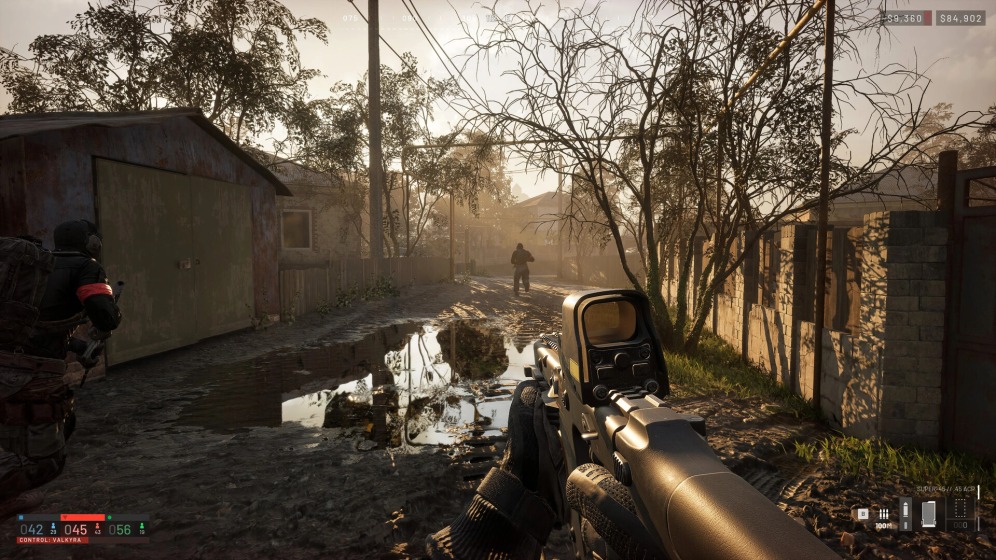
At the same time, I think the zone being fought over is too large. Far too many times I found myself running for several minutes without seeing other players or finding other enemies to fight with, a run that was cut short only when I was sniped from afar or finally managed to find another player after long searches. I would have been happier if the zone was smaller and pushed players a bit more toward each other. When I raised this issue with the development team, they said that was actually exactly the intention—to give players room to do what they want while remaining relevant.
But above all these, I think the most difficult problem relates to the personal progression system for each player. I have many praises here, but as rewarding and enjoyable as it is, the system exposes a serious problem where veteran players at higher levels can pretty much dominate the game without any real ability for lower-level players to respond, and I'll give an example. In one of my first matches, when I and most of the lobby were still at low levels, there was a player already driving a tank full of shells with terrifying firepower who just killed everyone without much ability to respond and destroy him in return (I remind you that RPGs only unlock at Support level 5). In another match, there was a player sitting on a distant hill with a long-range mortar launching shells toward the control zone, also without much ability to respond and eliminate him. Both these playstyles are completely legitimate and there's nothing wrong with them, but they appeared already in the beta test when everyone started at the same time from the same point. I wonder how new players will feel two weeks/a month or even a year after launch against players who've been playing since day one and are already at high levels with top-tier equipment.
I asked this exact question to the game's director, Howard Philpott, who answered that after launch there will be servers for low-level players, servers for high-level players, and servers with no level restrictions. This way players can choose which battlefield they want to play in with all the advantages and disadvantages of each. It was also said that after launch there will be an option to rent servers and apply custom rulesets to them. Philpott further said that the current progression system isn't necessarily what will be throughout the game's life, as every few months there will be a reset that returns all players to zero, and in parallel the team will look at data from different weapons and vehicles to determine whether they're at the right point in terms of price and the level needed to unlock them, or if they need to be adjusted. In response to my question about the studio's biggest challenge during work on the game, Philpott said that the technical side is without a doubt what occupied them the most—whether it's making sure the netcode is as responsive as it should be, the ability to support many players on a huge map, or even more elementary things like object physics. The development team invested a great deal of time and resources to ensure WARDOGS has a strong and stable technical foundation on which additional features can be built.