End of an Era, Beginning of a New One: What Does EA's $55 Billion Deal Really Mean?
EA's leveraged buyout by Saudi Arabia's Public Investment Fund has transformed the company from public to private, but the real story lies in the staggering debt burden and potential consequences for its studios.
The real numbers behind the leveraged buyout reveal a far greater danger: a massive debt crisis that has emerged
Last week, EA's acquisition was finalized and the company passed into the hands of Saudi Arabia's Public Investment Fund (PIF). As part of the deal, the Saudi fund holds the vast majority of the company (93.4%), alongside other investment firms such as Silver Lake and Affinity Partners. The immediate impact of this move is that EA has transformed from a public company to a private one, and after 36 years has been delisted from the Nasdaq stock exchange.
This massive acquisition is part of a broader strategy called "Vision 2030" by the Saudi government—a plan designed to diversify the country's economy so it won't be dependent solely on oil revenues. While Andrew Wilson remains in his position as EA's CEO, a genuine financial earthquake is taking place behind the scenes these days.
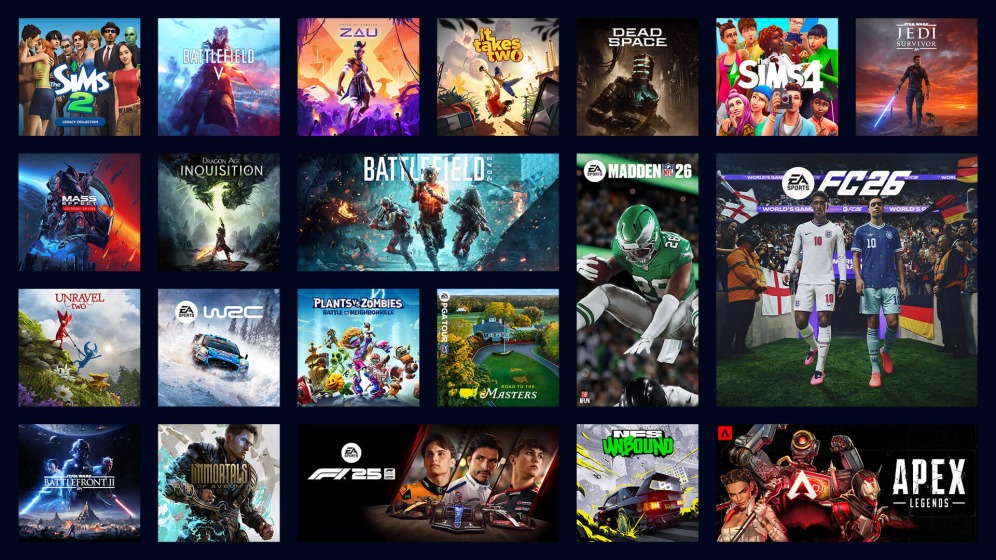
There are two sides to this coin. On one hand, the transition from a public company to a private one means EA is no longer obligated to publish quarterly earnings reports and doesn't need to please shareholders in the short term. This is a bad thing because the transparency of public companies is an important asset, and with EA's delisting we've lost one of the largest remaining independent Western publishers (in the American sector we're mainly left with Take Two). But it's good because when there's no pressure for short-term results, you can show better results in the long term. As with any new acquisition and new owners, the question always arises: what will happen to the companies, the studios, and of course, will the Saudi government interfere with artistic content or exercise censorship?
But the problem here is much more complex, because EA comes to this acquisition with quite a hunchback. The deal through which EA was acquired was defined as a "Leveraged Buyout," and it's the largest in the history of the entertainment industry. This means the buyers didn't bring all $55 billion from their own pockets, but took out massive loans—and loaded that debt onto the acquired company, EA. As a result, EA's debt jumped from $2.2 billion to $20 billion. Because of the enormous debt, EA now needs to pay interest payments of about $1.8 billion per year. The problem? Its operating profit (EBITDA) before the acquisition stood at only about $1.5 billion. In other words, in its current state, the company isn't even bringing in enough money to cover the interest on its own debts.
In recent days, journalist Jason Schreier from Bloomberg reported that EA has promised its creditors it will cut expenses totaling $700 million per year to close this financial gap. When a company needs to cut $700 million per year, it can't settle for cutting welfare budgets or isolated layoffs. Analysts estimate the only way to reach these numbers is aggressive cutting in the company's structure. In this new financial reality, EA's management will be forced to turn its attention to studios that don't generate steady and reliable income. Studios that require enormous budgets and extended development time without certain return on investment (ahem... ahem... BioWare) suddenly transform from a historical asset to an economic burden.
Recent reports and rumors touch on the possibility that EA will sell BioWare along with the studio's brands, primarily Dragon Age and the Mass Effect series, whose next game is currently in development. At the same time, in order to cut company expenses even further, it's reasonable to assume we'll see a very large wave of layoffs across EA, one similar in scale to the recent waves of layoffs at Xbox.
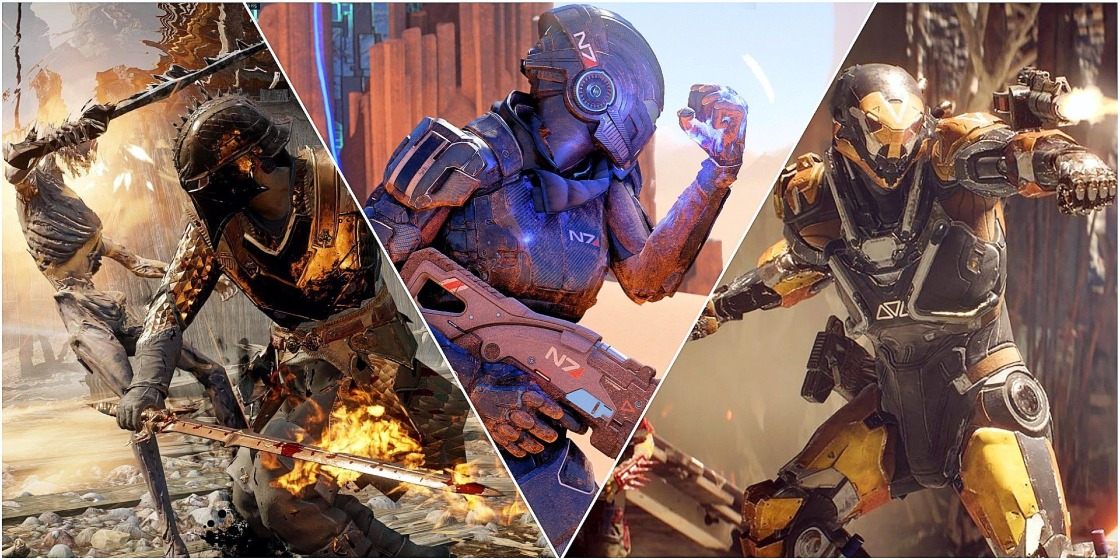
As of this moment, EA is remaining silent and hasn't published an official list of studios that will close or be sold, but we've already seen what's happening at Xbox to understand which way the wind is blowing.